 EN

 中文简体

Sealed Motorcycle Chain Orders Need a Defined Connecting Link
Sealed Motorcycle Chain Orders Need a Defined Connecting Link
Sealed Motorcycle Chain Orders Need a Defined Connecting Link
Sealed Motorcycle Chain Orders Need a Defined Connecting Link
Sealed Motorcycle Chain Orders Need a Defined Connecting Link
Sealed Motorcycle Chain Orders Need a Defined Connecting Link
Sealed Motorcycle Chain Orders Need a Defined Connecting Link
Sealed Motorcycle Chain Orders Need a Defined Connecting Link
Sealed Motorcycle Chain Orders Need a Defined Connecting Link
Sealed Motorcycle Chain Orders Need a Defined Connecting Link
Sealed Motorcycle Chain Orders Need a Defined Connecting Link
Sealed Motorcycle Chain Orders Need a Defined Connecting Link
Sealed Motorcycle Chain Orders Need a Defined Connecting Link
Sealed Motorcycle Chain Orders Need a Defined Connecting Link
Sealed Motorcycle Chain Orders Need a Defined Connecting Link
Sealed Motorcycle Chain Orders Need a Defined Connecting Link

Sealed Motorcycle Chain Orders Need a Defined Connecting Link
2026-11-20
A sealed motorcycle chain can arrive with the correct appearance and still leave an important purchasing question unanswered: which connecting link belongs with it? The chain, joining components and assembly instructions must be considered together. A loose link selected because its finish looks similar is not a sound basis for a replacement-parts order.
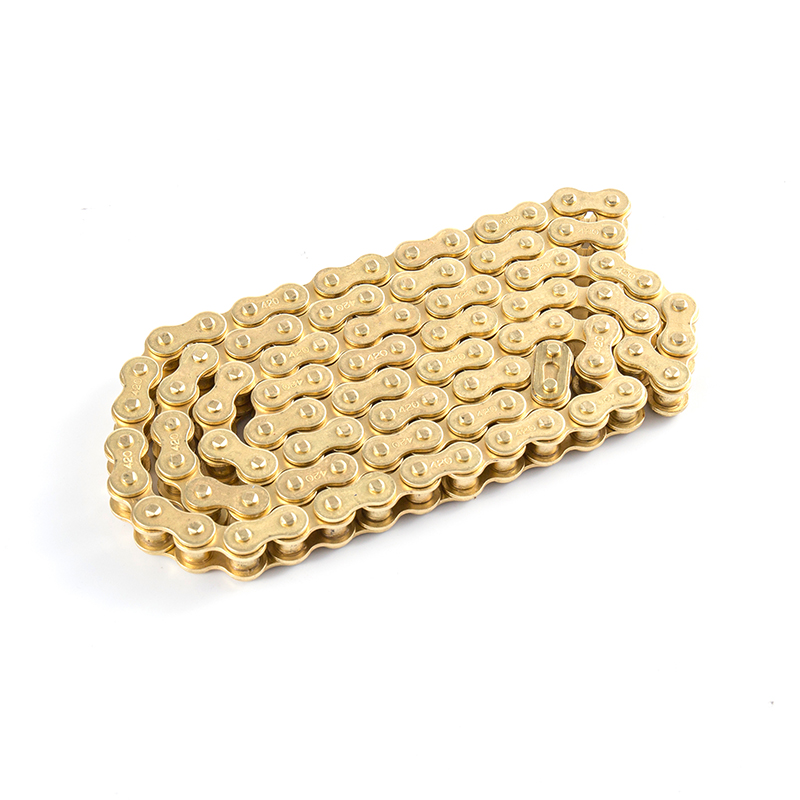
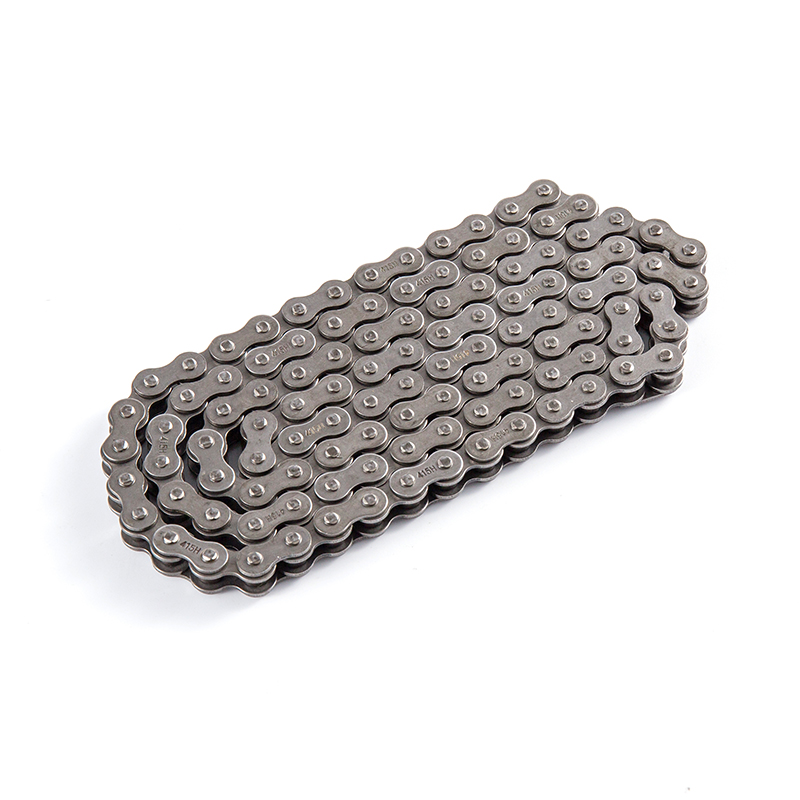
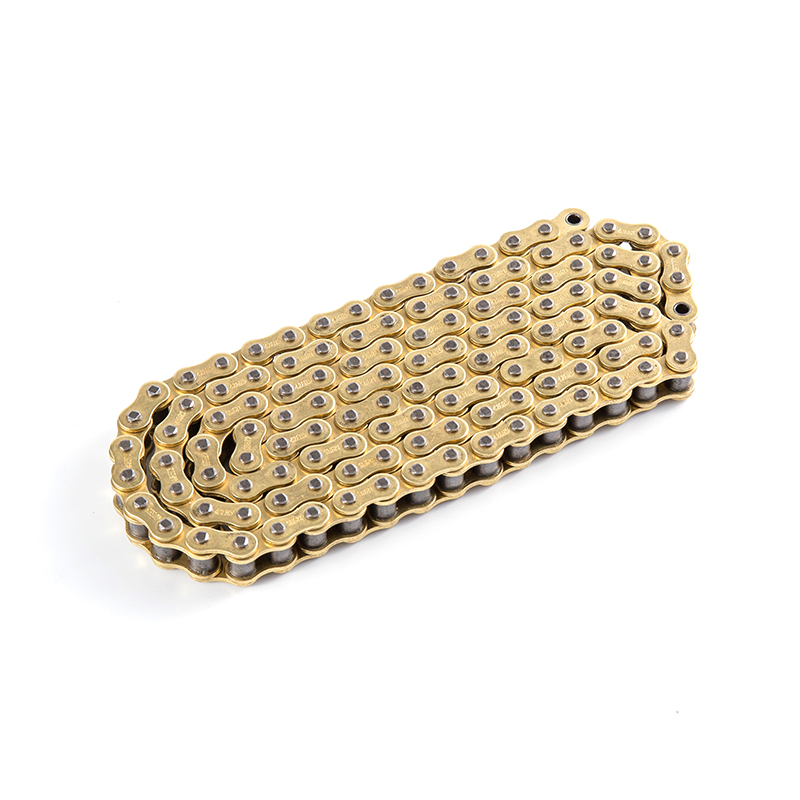
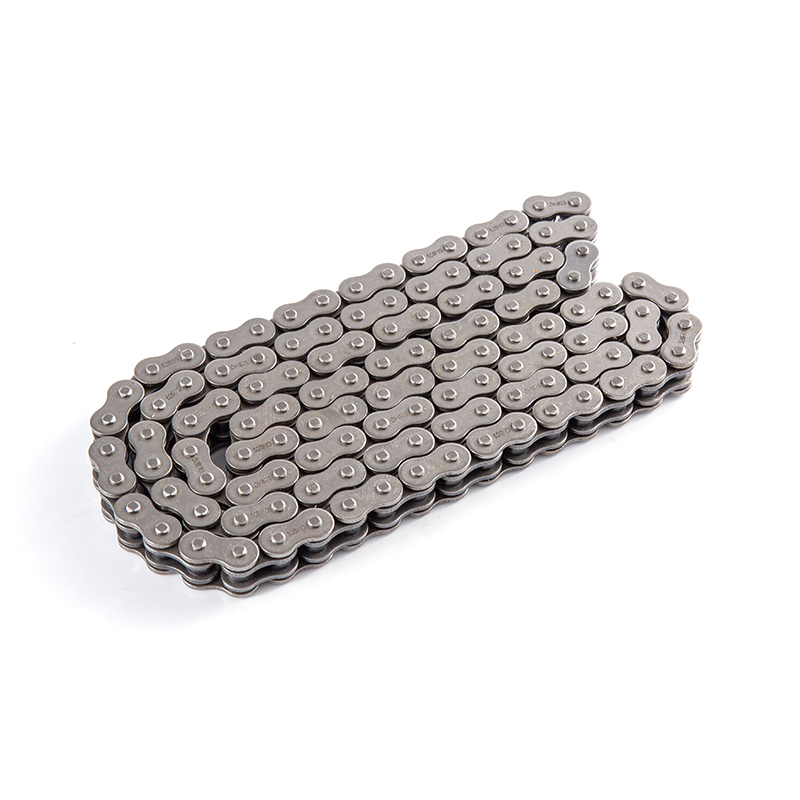
The KINGSCHAIN sealed motorcycle chain range includes O-ring and X-ring versions. Its product photographs show the plates, rollers and compact sealed construction that distinguish these products from a simple open-link description. For a distributor or motorcycle-parts buyer, that range should lead to a precise chain-and-link specification rather than a general request for sealed chains.
The connecting link is part of the product definition
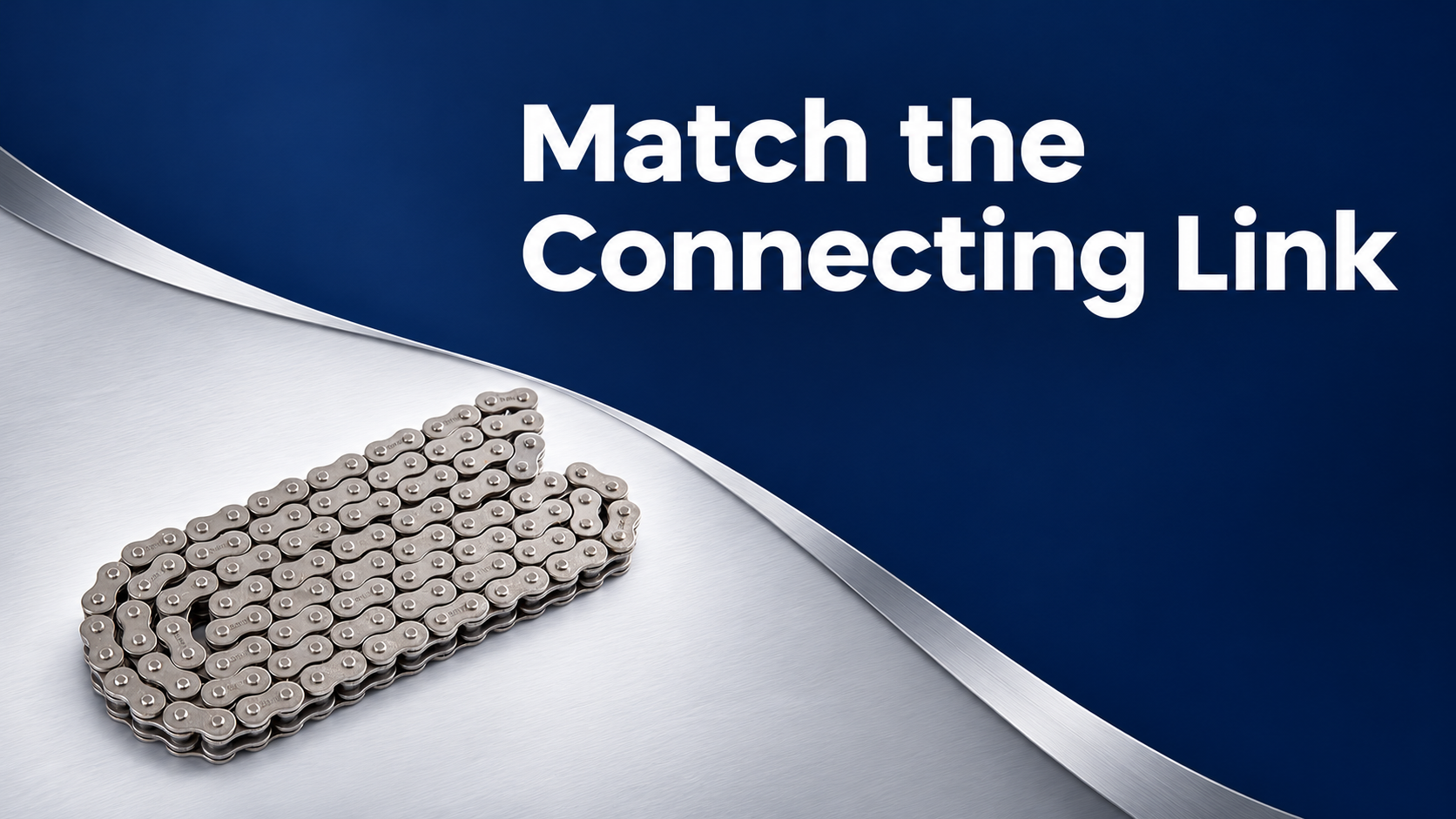
Start by asking which connecting-link version is supplied or recommended for the exact chain. Record the manufacturer designation, chain series and joining method. The approved link must match the chain construction and application; a shared nominal chain size does not establish that every connecting link from another series will fit or perform correctly.
This point is useful when purchasing several finishes or seal variants. Similar packaging can hide differences that matter during joining. Keep the link identifier associated with its chain order line. If replacement links will be sold separately, create a clear cross-reference so counter staff can identify the correct part without relying on color or an informal product nickname.
A supplier should also clarify what is included in each package. The chain may be supplied at an agreed link count with a connecting link, or the link may be a separate item. State the intended arrangement on the purchase order. This avoids discovering at assembly that a required joining component has not been included.
Ask how the seal is retained during assembly
The seals around a sealed chain joint help retain internal lubricant and limit contamination at the pin-and-bush interface. The connecting link must continue the intended construction at the joining point. Request the applicable components and instructions, including the required seal arrangement and any joining lubricant specified for that version.
Assembly dimensions and methods should come from the manufacturer. Do not invent a universal side-plate clearance, riveting diameter or installation force for all chains. An installer needs the instructions for the actual link, and the correct tools for that joining method. Procurement should make those instructions available with the part rather than leaving the workshop to infer them from the packaging photograph.
Compare the order as a complete kit
| Kit element | Record in the order | Receiving check |
|---|---|---|
| Chain | Series, seal variant, finish and length | Match labels to the approved order line |
| Connecting link | Exact compatible identifier and joining method | Keep the correct link with its chain |
| Sealing components | Required components for the approved version | Inspect packaging for missing or damaged parts |
| Instructions | Applicable assembly and inspection information | Confirm the document matches the supplied link |
| Replacement supply | Separate part code and cross-reference | Prevent mixing links between series |
For a rivet-type connection, the workshop must follow the specified assembly process. For any other offered connection method, confirm its intended application and acceptance with the responsible technical team. A buyer should not substitute a more convenient joining method without reviewing suitability for the motorcycle and service conditions.
Build the distributor's stock record around compatibility
A useful stock record includes the chain designation, link count, seal type, finish and matching connecting-link code. It should distinguish an unopened full chain kit from a replacement-link pack. Photographs can assist identification, but they should support the written code rather than replace it.
Where orders serve several motorcycle models, retain the application review separately from the supplier's dimensional listing. Chain selection involves the complete drive arrangement, including sprockets and available clearances. The fact that a chain can be joined does not establish that it is appropriate for every motorcycle using a similar nominal size.
Do not use tensile strength as a substitute for an approved working application. A catalogue strength figure describes a specified property under stated conditions; it is not a universal allowable operating load or a guarantee of service life. Obtain the relevant technical information when the application requires that assessment.
A short release checklist for purchasing teams
- Confirm the chain series and seal version on every order line.
- Specify the finished length or agreed link count.
- Identify the compatible connecting link and package quantity.
- Request assembly information for the supplied joining method.
- Keep replacement-link stock codes separate from complete-chain codes.
- Record how substitutions will be reviewed before shipment.
At goods receipt, inspect sealed packs and labels before distributing stock to several shelves. If link packs are supplied in a separate carton, reconcile their quantities against the chains they serve. Retain identification during repacking so that small components do not become anonymous workshop stock.
Maintenance information also belongs in the handover. Sealed construction does not eliminate the need for appropriate external cleaning, inspection and lubrication practices. Cleaning products and methods must be compatible with the supplied seals and the motorcycle's instructions. A general promise of maintenance-free operation should not be inferred from the word sealed.
A clear chain-and-link enquiry gives KINGSCHAIN a defined package to quote and gives the buyer a more useful receiving record. The practical objective is continuity from supplier part number to workshop assembly: the correct chain, its matching joining components and the instructions needed to complete the joint.
Returns handling should preserve the same compatibility record. A returned link without a legible code should not be placed back into approved stock based only on its appearance. Keep uncertain parts separate for identification. This protects the link-to-chain relationship established during purchasing and prevents a later stock correction from undoing the care taken at the original order stage.





Copyright © Jiangshan Wangpai Chain Industry Co., Ltd. All Rights
Reserved
 Motorcycle Chain Manufacturer