 EN
EN

 中文简体
中文简体
How Does a Motorcycle Transmission Chain Work and Why It Matters
How Does a Motorcycle Transmission Chain Work and Why It Matters
How Does a Motorcycle Transmission Chain Work and Why It Matters
How Does a Motorcycle Transmission Chain Work and Why It Matters
How Does a Motorcycle Transmission Chain Work and Why It Matters
How Does a Motorcycle Transmission Chain Work and Why It Matters
How Does a Motorcycle Transmission Chain Work and Why It Matters
How Does a Motorcycle Transmission Chain Work and Why It Matters
How Does a Motorcycle Transmission Chain Work and Why It Matters
How Does a Motorcycle Transmission Chain Work and Why It Matters
How Does a Motorcycle Transmission Chain Work and Why It Matters
How Does a Motorcycle Transmission Chain Work and Why It Matters
How Does a Motorcycle Transmission Chain Work and Why It Matters
How Does a Motorcycle Transmission Chain Work and Why It Matters
How Does a Motorcycle Transmission Chain Work and Why It Matters
How Does a Motorcycle Transmission Chain Work and Why It Matters

How Does a Motorcycle Transmission Chain Work and Why It Matters
2026-08-07
A motorcycle's drive system really depends on a bunch of connected parts working in sync to get power from the engine all the way to the rear wheel. Among those pieces, the chain plays a genuinely important role, since it's what actually carries movement between the front and rear sprockets. It looks like a simple mechanical part on the surface, sure, but its structure, material choice, installation condition, and maintenance routine can shape how smoothly the whole bike actually runs.
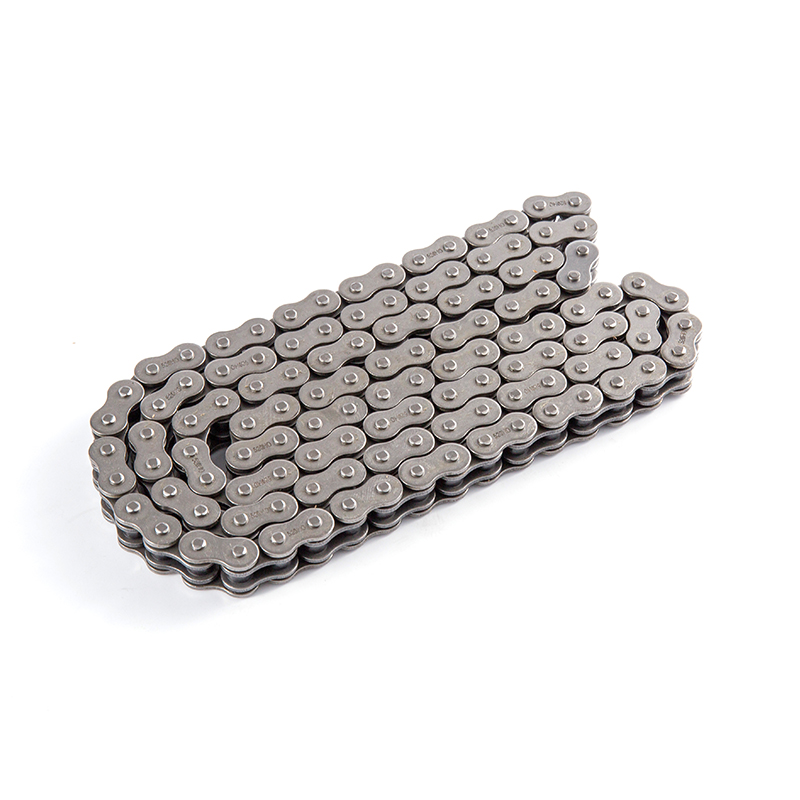
A Motorcycle Transmission Chain is built to handle repeated movement, shifting loads, and a whole range of riding environments. During everyday use, it's constantly exposed to friction, dust, moisture, and tension that keeps changing as the bike moves. Those conditions are really why proper selection and care matter so much for riders, repair professionals, and buyers hunting for a chain that'll actually hold up.
For manufacturers, building a suitable chain takes more than just linking metal pieces together. Material processing, how components match up, production control, inspection steps — all of it feeds into how the final product actually performs. For customers, getting a feel for how the chain works and what shapes its condition can genuinely help with buying decisions and everyday upkeep.
From power transfer and production methods through to selection tips and replacement signs, understanding what's really going on behind motorcycle chain systems helps people make better calls for whatever kind of riding they do.
How Does a Motorcycle Transmission Chain Transfer Engine Power to the Rear Wheel and Affect Riding Performance
The main job of a motorcycle chain system is pretty straightforward — carry rotational movement from the engine over to the rear wheel. Once the engine starts producing power, the front sprocket begins spinning. The chain moves right along with it, carrying that motion over to the rear sprocket, which is what actually gets the wheel turning.
This whole process really hinges on how well the connected parts work together. When the chain fits properly against the sprockets, power transfer tends to stay stable through acceleration, cruising, and whatever riding conditions come up.
A few practical factors shape how a chain system behaves:
- Chain tension shapes how smoothly movement actually gets transferred
- Sprocket alignment affects contact between the chain and the teeth
- Lubrication condition changes how much friction builds up between moving parts
- Chain wear can gradually shift how the bike responds while riding
A chain that's too loose can create unwanted play, while too much tension can pile extra stress onto related parts. Keeping the adjustment in a suitable range really helps the whole drive system run more consistently.
| Component | Function in the Drive System |
|---|---|
| Front sprocket | Receives rotation from the engine side |
| Chain | Transfers movement between sprockets |
| Rear sprocket | Delivers movement toward the rear wheel |
| Adjustment system | Helps maintain proper chain position |
The chain's condition really isn't only about mechanical function, either. Riders often notice shifts in acceleration response, vibration, or overall comfort once the chain system starts needing attention.
How Are Motorcycle Transmission Chains Manufactured and What Production Details Affect Their Quality
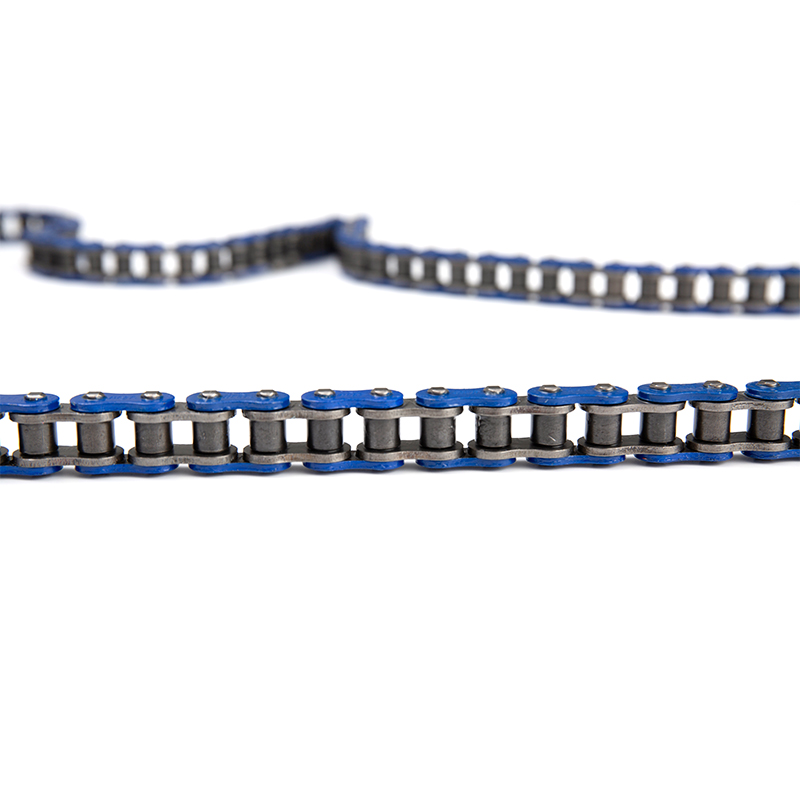
Manufacturing a motorcycle chain runs through several connected production stages. It usually starts with material preparation, then moves through forming, assembly, surface treatment, and inspection.
Each part of the chain carries its own job. Plates give structural support, pins connect the moving sections, and rollers help create smooth contact against the sprocket teeth. Since these parts move over and over during operation, production accuracy really does matter here.
Manufacturers tend to focus on a handful of areas during production:
- Material selection based on application requirements
- Component processing accuracy
- Assembly consistency
- Surface treatment methods
- Quality inspection procedures
Different riding environments call for different things. Bikes running around urban areas might deal with frequent starts and stops, while bikes covering longer routes might face extended stretches of continuous operation instead.
| Production Area | Purpose |
|---|---|
| Material preparation | Creates a suitable foundation for chain components |
| Component processing | Shapes parts according to design requirements |
| Assembly process | Ensures different parts work together properly |
| Inspection stage | Checks product conditions before delivery |
For buyers, getting a handle on production details really helps when talking things through with manufacturers. A supplier with clear production procedures can walk through product features, customization options, and application fit a lot more clearly.
What Should You Know Before Choosing the Right Motorcycle Transmission Chain for Different Motorcycle Models
Picking a suitable chain takes real attention to compatibility, rather than just grabbing whatever replacement's handy. Different motorcycles carry different requirements around size, riding style, and operating conditions.
Before buying, it's worth thinking through:
- Motorcycle model compatibility
- Sprocket specifications
- Riding environment
- Maintenance habits
- Expected usage conditions
A chain used for daily commuting probably has different needs than one built for more demanding riding conditions. Matching the chain properly to the motorcycle's system really helps sidestep unnecessary adjustment headaches later.
Buyers should also pay attention to how the supplier presents information. Clear product descriptions, available customization paths, and solid technical communication all make the buying process a lot less stressful.
A quick comparison helps here:
| Selection Consideration | Why It Matters |
|---|---|
| Size matching | Helps the chain connect correctly with sprockets |
| Usage environment | Influences maintenance frequency and material needs |
| Supplier capability | Affects communication and product support |
Taking the time to choose carefully before installation really can cut down on future maintenance headaches and make the whole riding experience feel a lot smoother.
What Causes Motorcycle Transmission Chain Noise and Loose Conditions During Regular Riding
Noise and looseness rank pretty high on the list of common concerns for motorcycle riders. These conditions tend to build up gradually, and they're rarely tied to just one single cause.
A loose chain can create extra play between the sprockets. Once the chain starts moving unevenly, riders often pick up on unusual sounds during acceleration or when speed shifts.
Common causes tend to include:
- Natural wear from repeated operation
- Incorrect chain adjustment
- Insufficient lubrication
- Misalignment between related components
- Exposure to dust or moisture
Regular inspection really helps catch problems before they spread to other parts. Riders can check whether chain movement feels off, whether lubrication looks adequate, and whether the chain's holding its position steadily.
Brushing off small changes can end up piling extra stress onto the drive system. Simple, regular maintenance steps usually go a long way toward keeping the chain in decent working shape.
What Are the Differences Between O Ring and X Ring Motorcycle Transmission Chains and How to Choose
Different chain designs get built for different usage needs. O Ring and X Ring structures are pretty common examples, both relying on sealing methods to help hold lubrication between the moving parts.
The main difference really comes down to sealing design. The shape of the sealing ring shapes how the chain manages lubrication and keeps external contamination out during operation.
| Chain Type | General Characteristics |
|---|---|
| O Ring Chain | Uses a circular sealing design between components |
| X Ring Chain | Uses an X-shaped sealing design with different contact characteristics |
Choosing between these, it's worth weighing:
- Riding frequency
- Environmental conditions
- Maintenance preferences
- Motorcycle requirements
There really isn't one option that fits every situation across the board. The right pick genuinely depends on how the motorcycle gets used and what conditions the chain has to handle day to day.
Which Factors Should Buyers Consider When Selecting a Motorcycle Transmission Chain Supplier
For businesses sourcing motorcycle chains, picking a supplier takes more than just checking whether stock's available. Communication, production capability, and customization support all matter just as much.
A suitable supplier should be able to lay out clear information on:
- Product specifications
- Manufacturing processes
- Quality control methods
- Packaging requirements
- OEM cooperation options
For importers and distributors, steady communication really carries a lot of weight. A manufacturer that genuinely understands different market needs can help customers plan their product lineup a lot more effectively.
Before locking in cooperation, buyers might want to review:
| Evaluation Area | Questions to Consider |
|---|---|
| Production ability | Can the supplier handle required product types? |
| Product information | Are specifications clearly explained? |
| Communication | Can technical questions receive clear answers? |
Building a supply relationship that actually holds up takes attention to both product details and how the cooperation itself runs.
How Can Regular Maintenance Methods Help Improve Motorcycle Transmission Chain Service Life
Maintenance really plays a big role in keeping a chain system running the way it should. Even a well-built product needs regular attention, since it's constantly operating under continuous movement and shifting conditions.
Basic maintenance habits worth keeping up:
- Cleaning accumulated dirt from the chain surface
- Applying suitable lubrication when needed
- Checking tension regularly
- Inspecting signs of wear
- Keeping sprocket alignment in good condition
The riding environment shapes maintenance needs quite a bit too. Dusty roads, wet conditions, or frequent riding tend to demand more attention than occasional, light use would.
Proper maintenance really doesn't need to be complicated. Simple checks done regularly help riders catch changes earlier and dodge a lot of avoidable problems down the line.
When Should You Replace a Motorcycle Transmission Chain and What Signs Should You Check Before Replacement
A chain usually gives off a few signs before it actually needs replacing. Catching these changes early helps head off unexpected trouble mid-ride.
Common signs worth watching for:
- Visible wear on chain components
- Difficulty maintaining proper adjustment
- Repeated noise during operation
- Uneven movement around the sprockets
- Reduced smoothness during riding
Before swapping anything out, it's worth looking at the overall condition of the whole chain system, rather than fixating on just one part. Sprockets, adjustment condition, and surrounding components deserve a check too.
For manufacturers and suppliers, giving customers clear guidance really helps them pick suitable replacement options and keep their bikes running well over time.
A motorcycle chain really is a small piece with an outsized role in the drive system. Getting familiar with how it works, how it's made, what shapes selection, and how maintenance fits in helps riders and buyers make genuinely informed calls.





Copyright © Jiangshan Wangpai Chain Industry Co., Ltd. All Rights
Reserved
 Motorcycle Chain Manufacturer