 EN
EN

 中文简体
中文简体
How Can a Sealed O-ring Chain Work Better in Real Applications
How Can a Sealed O-ring Chain Work Better in Real Applications
How Can a Sealed O-ring Chain Work Better in Real Applications
How Can a Sealed O-ring Chain Work Better in Real Applications
How Can a Sealed O-ring Chain Work Better in Real Applications
How Can a Sealed O-ring Chain Work Better in Real Applications
How Can a Sealed O-ring Chain Work Better in Real Applications
How Can a Sealed O-ring Chain Work Better in Real Applications
How Can a Sealed O-ring Chain Work Better in Real Applications
How Can a Sealed O-ring Chain Work Better in Real Applications
How Can a Sealed O-ring Chain Work Better in Real Applications
How Can a Sealed O-ring Chain Work Better in Real Applications
How Can a Sealed O-ring Chain Work Better in Real Applications
How Can a Sealed O-ring Chain Work Better in Real Applications
How Can a Sealed O-ring Chain Work Better in Real Applications
How Can a Sealed O-ring Chain Work Better in Real Applications

How Can a Sealed O-ring Chain Work Better in Real Applications
2026-08-14
Chains get treated as simple parts more often than they deserve, mostly because their motion is easy to watch and their build looks pretty basic at a glance. Out in real equipment, though, small changes happening right around the contact areas can shift how smoothly a chain runs, how much attention it demands, and how well it holds up against whatever environment it's working in.
A sealed design throws another factor into the mix. The sealing rings wrap around the spots where internal movement actually happens, holding lubrication in place while keeping dust and moisture from working their way in. That single detail changes how the chain should get handled during installation, cleaning, lubrication, and inspection.
For buyers and equipment operators, the questions worth asking tend to stay pretty grounded. What's the sealing ring actually protecting? Why would external lubrication still matter if the internals are sealed? Which working conditions put the seals at risk? How should a chain get selected and installed properly? What early signs suggest maintenance is overdue?
Working through these questions in order makes it a lot easier to connect how the chain's built with what actually happens once it's running day after day.
What Does a Sealed O-ring Chain Actually Seal and Why Does It Matter
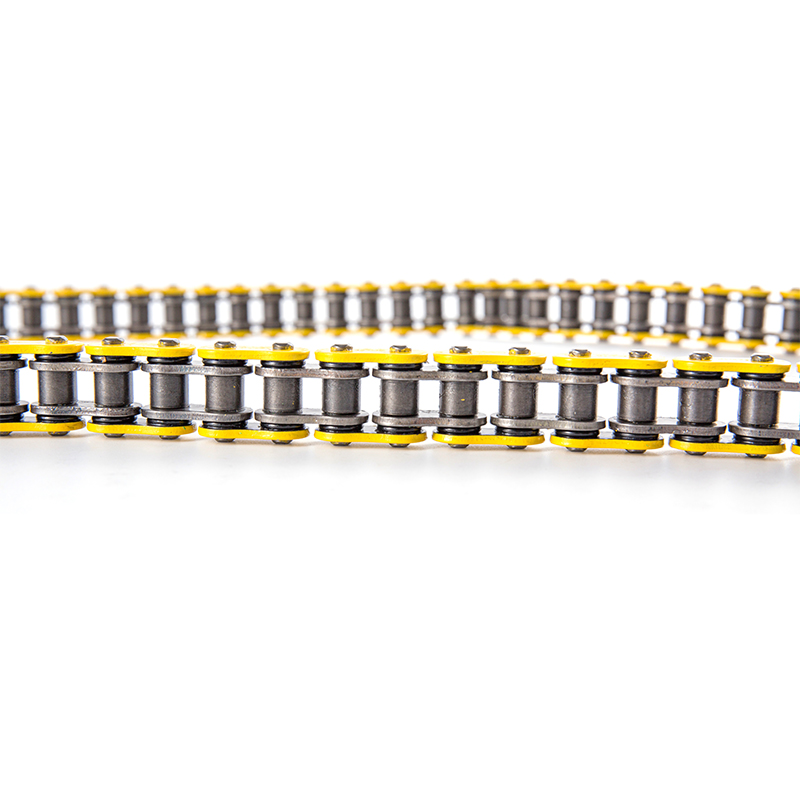
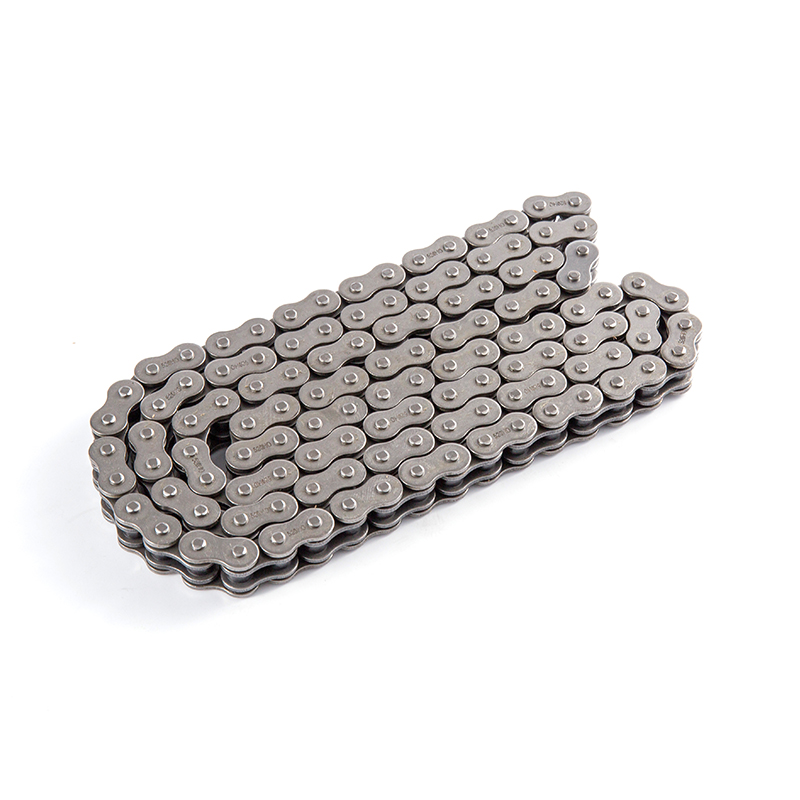
The sealing ring itself is small, almost easy to overlook, but where it sits matters quite a bit. It's positioned between the chain plates, right around the internal moving areas. Its job is holding lubricant close to those contact surfaces while forming something of a barrier against whatever's floating around outside.
Inside a moving chain, several parts are constantly sliding or pivoting against each other. As the chain wraps around a sprocket, those internal contact points move right along with it. If lubrication runs out, or if outside material sneaks into that contact area, friction and wear tend to climb pretty quickly.
That's really why the sealing ring does two related jobs at once. It keeps lubricant sitting where it's actually needed, and it makes life harder for dirt or moisture trying to reach those internal surfaces.
None of this means the seal creates some airtight, waterproof pocket, though. How the ring holds up still depends heavily on surrounding temperature, cleaning habits, lubrication practice, how the chain moves, and the general working environment it's stuck operating in.
A useful way to picture the structure is breaking it into three parts:
- The outer plates form the main, visible body of the chain
- The internal moving parts transfer motion between connected links
- The sealing rings sit around those internal contact areas, helping maintain the lubrication environment inside
This is also exactly why the condition of the O-rings deserves real attention during inspection. A chain can look perfectly fine from the outside while the sealing rings underneath have already dried out, cracked, shifted, or hardened.
For a manufacturer, this sealing structure isn't just some bonus feature tacked on for marketing. It's really part of how the chain is meant to function under everyday working conditions.
Why Does a Sealed O-ring Chain Still Need Lubrication During Regular Use
A pretty common assumption goes something like this: a sealed chain shouldn't need extra lubrication since lubricant's already retained around the internal moving parts. In practice, though, external lubrication still earns its place in the routine.
Lubricant applied from outside mainly cuts down friction around the exposed moving surfaces and helps keep things running smoothly wherever the chain meets the sprocket. It also softens the effect of dry, unlubricated contact between exposed parts that aren't shielded by the seals.
What matters here is applying lubrication in a way that works with the sealing rings rather than treating this like a regular, unsealed chain that needs constant soaking.
A suitable lubricant should reach the areas where movement actually happens without putting unnecessary strain on the sealing material itself. Overdoing it can backfire too — too much lubricant tends to attract dust and other particles, building up a grimy layer around the chain instead of helping it.
Whenever lubrication's called for, the chain generally needs to be clean enough that the lubricant can actually reach where it's supposed to go. Slapping fresh lubricant over a thick layer of grime doesn't fix anything underneath.
There's also a real difference between internal and external lubrication here. Whatever's already retained inside the sealed sections stays protected by the rings. External lubrication, meanwhile, supports the exposed surfaces and helps keep interaction with the sprocket running smoothly.
This distinction matters quite a bit when explaining maintenance expectations to equipment operators. Sealing cuts down how much internal lubrication gets exposed to the outside world, but it doesn't erase the need for regular attention altogether.
How Can You Clean a Sealed O-ring Chain Without Damaging the O-rings
Cleaning is another spot where a small slip-up can leave a lasting mark. O-rings are flexible sealing parts by nature, so rough handling or the wrong cleaning materials can affect their condition pretty quickly.
A sensible cleaning process starts by clearing loose dirt off the outside of the chain. A soft brush or a suitable cloth works well here, removing built-up material without putting unnecessary pressure on the rings themselves.
The cleaning agent deserves a second thought too. Certain substances can affect rubber-like sealing materials, especially with repeated exposure over time. Before reaching for a cleaning product, it's worth checking whether it's actually compatible with the sealing material in question.
After cleaning, the chain should be given time to settle into a suitable condition before fresh lubrication goes on. Leaving the chain bone dry after washing isn't really appropriate if it's headed straight back into operation.
| Condition | What to Check | Practical Approach |
|---|---|---|
| Visible dirt | Material around the links and rings | Remove loose material gently |
| Moisture | Water remaining around the chain | Allow the surface to dry before lubrication |
| Heavy residue | Old lubricant mixed with dirt | Clean the affected areas before relubrication |
| Damaged ring | Cracks, deformation, or displacement | Inspect the affected section carefully |
| Dry appearance | Lack of visible lubricant on exposed areas | Consider suitable lubrication |
The point of cleaning isn't making the chain look brand new again. It's clearing away material that could interfere with movement or make inspection harder.
While cleaning, steer clear of pulling or scraping directly against the sealing rings. If a ring's already gone loose or damaged, no amount of repeated cleaning will fix that underlying issue. That section of chain needs proper assessment before it goes back into normal operation.
Which Working Conditions Can Affect Sealed O-ring Chain Performance
A chain never really operates on its own — its surroundings shape how the sealing rings and moving parts hold up over time, whether anyone's paying attention or not.
Dust is an obvious concern right off the bat. Fine particles collect around exposed surfaces gradually, building into a grimy layer that's easy to miss until it's already a problem. Moisture brings a different kind of challenge, since repeated exposure can wear on both the chain surfaces and the sealing area's condition.
Temperature plays a role too. Shifts in temperature affect how flexible sealing materials stay and change how lubricants behave. A chain running near a heat source needs a different mindset than one sitting in a fairly stable environment.
Frequent washing changes the maintenance picture as well. Water and cleaning agents can strip lubricant off exposed surfaces, and repeated contact with the wrong cleaning materials can wear down the rings over time.
| Working Condition | Possible Concern | What Operators Can Monitor |
|---|---|---|
| Dusty area | Dirt accumulation | Build-up around links and seals |
| Wet environment | Moisture exposure | Surface condition and lubrication |
| Frequent cleaning | Lubricant removal | Condition after washing |
| Heat exposure | Changes in seal flexibility | Ring appearance and movement |
| Irregular maintenance | Delayed detection of wear | Noise, stiffness, and visible changes |
The operating environment really deserves a spot in the purchasing conversation. A chain picked without any thought toward its surroundings might end up needing maintenance habits that just don't fit the equipment it's on.
For manufacturers, application details from a customer carry just as much weight as chain dimensions do. Knowing where the chain will actually run, how it'll get cleaned, and what environmental conditions it'll face gives everyone a much firmer basis for discussing the right configuration.
How Do You Choose the Right Sealed O-ring Chain for Your Drive System
Selection should really start with the equipment itself, not the chain. Whatever gets picked needs to fit the existing transmission setup — sprockets, available space, how things move, and the working conditions expected down the line.
Dimensions are the obvious starting point. The chain has to match up with whatever sprockets are already in the system. Even a small mismatch can lead to poor engagement and movement that just doesn't sit right.
Operating conditions come next. A drive running in a fairly clean indoor space has very different maintenance needs than one exposed constantly to dust, moisture, or frequent washing.
How the equipment actually gets used matters too. Frequent starts and stops, shifting movement patterns, or steady continuous operation all place different demands on the chain and its sealing areas.
Before asking for a quote, it helps to pull together a short list of details:
- Existing chain dimensions
- Sprocket information
- Working environment
- Cleaning conditions
- Lubrication practice currently in use
- Installation space available
- Operating pattern
- Any visible problems with the current chain
Having these details ready cuts down on a lot of back-and-forth guesswork during selection. It also gives the manufacturer enough real context to weigh in on whether a particular chain configuration actually fits the application at hand.
Rather than picking a chain purely on looks, buyers do better thinking through how the whole drive system works together as one unit.
What Installation Mistakes Can Cause Problems With a Sealed O-ring Chain
Installation shapes chain behavior long after the actual fitting work is done. Even when the chain itself is the right one for the job, poor alignment or careless adjustment can create stress that wasn't necessary in the first place.
Sprocket alignment deserves a check before the chain ever goes on. If sprockets aren't sitting correctly, the chain won't travel along a consistent path, which creates uneven contact and piles extra pressure onto certain spots.
Chain tension needs attention too. Too tight, and the chain fights unnecessary resistance the whole time it runs. Too loose, and movement turns unstable and unpredictable. What counts as the right adjustment really depends on the specific equipment and how it's set up to operate.
During installation, avoid forcing the chain onto the sprocket no matter how tempting it is to just push it into place. Tools or techniques that press directly against the sealing rings can damage them before the chain's even had a chance to run normally.
Once installation's done, slowly rotating the drive gives a good chance to check whether the chain moves smoothly. Odd resistance, uneven movement, or any visible shifting around the rings should get looked into before regular operation starts.
A careful installation process, in other words, isn't just about connecting the chain and calling it done. It sets up the actual conditions under which the sealing structure and moving parts will have to work together going forward.
What Are the Early Signs That a Sealed O-ring Chain Needs Attention
Shifts in how a chain behaves often give useful warning before any visible damage becomes obvious. Noise is a good example. A change from the drive's normal sound might point to a lubrication issue, alignment problem, contamination, or general wear setting in.
Stiff movement is another sign worth checking on. When individual links stop moving freely the way they should, the cause could trace back to contamination, seal condition, thin lubrication, or some other mechanical factor entirely.
The sealing rings themselves deserve a direct look too. Cracks, flattening, displacement, or an unusual dryness can all hint that the sealing function isn't doing its job the way it used to.
Uneven movement is worth flagging as well. If one section of chain behaves noticeably differently from another, checking sprockets, alignment, tension, and individual links can help pin down what's actually going on.
Inspection doesn't need to zero in on just one part, either. Chain condition is usually the result of several factors overlapping rather than one isolated cause.
A damaged ring, for instance, might let outside material sneak into an internal contact area. That affects lubrication and movement, which then shows up later as noise or stiffness. Focusing only on that final symptom risks missing the actual root cause entirely.
How Can You Tell When a Sealed O-ring Chain Needs Maintenance or Replacement
Maintenance decisions really need to rest on the chain's actual condition rather than how it looks at a glance. A chain can still appear perfectly usable while certain sections quietly show signs of wear or seal damage underneath.
Start with the sealing rings. Check whether they're still sitting properly in place and whether there's any visible cracking, deformation, or general deterioration. From there, look at how the chain moves and how it interacts with the sprockets it's paired with.
If cleaning and proper lubrication bring movement back to normal, the issue was probably just routine maintenance catching up. If unusual noise, stiffness, or uneven movement sticks around anyway, a closer mechanical inspection is probably worth doing.
Replacement becomes worth considering once the chain's developed wear or damage that routine maintenance just can't reasonably fix anymore. Affected components deserve assessment as part of the whole drive system rather than getting evaluated in isolation.
For equipment users, keeping simple inspection notes tends to make changes a lot easier to spot over time. Jotting down unusual noise, ring condition, cleaning done, lubrication applied, and adjustments made can help reveal whether a problem's been building gradually.
That same habit pays off when talking to a manufacturer too. Photos of the chain, sprocket details, operating conditions, and a clear description of the observed problem give the supplier a much sharper picture of what's actually happening.
A practical maintenance routine, at the end of the day, really comes down to keeping the chain, sealing elements, sprockets, lubrication, and working environment all in reasonable shape together. Looking at these pieces as one connected system makes problems far easier to catch early, and it turns the next maintenance decision into something a lot less complicated to work through.





Copyright © Jiangshan Wangpai Chain Industry Co., Ltd. All Rights
Reserved
 Motorcycle Chain Manufacturer