 EN

 中文简体

Motorcycle Chain Width: Why the Size Marking Is Only the Start
Motorcycle Chain Width: Why the Size Marking Is Only the Start
Motorcycle Chain Width: Why the Size Marking Is Only the Start
Motorcycle Chain Width: Why the Size Marking Is Only the Start
Motorcycle Chain Width: Why the Size Marking Is Only the Start
Motorcycle Chain Width: Why the Size Marking Is Only the Start
Motorcycle Chain Width: Why the Size Marking Is Only the Start
Motorcycle Chain Width: Why the Size Marking Is Only the Start
Motorcycle Chain Width: Why the Size Marking Is Only the Start
Motorcycle Chain Width: Why the Size Marking Is Only the Start
Motorcycle Chain Width: Why the Size Marking Is Only the Start
Motorcycle Chain Width: Why the Size Marking Is Only the Start
Motorcycle Chain Width: Why the Size Marking Is Only the Start
Motorcycle Chain Width: Why the Size Marking Is Only the Start
Motorcycle Chain Width: Why the Size Marking Is Only the Start
Motorcycle Chain Width: Why the Size Marking Is Only the Start

Motorcycle Chain Width: Why the Size Marking Is Only the Start
2026-11-06
Two motorcycle chains can share a familiar size designation and still deserve a closer fitment review. The marking helps identify a chain family, but the complete outside envelope includes plates, pins and, on a sealed design, sealing elements. For distributors and parts buyers, those details matter when a chain runs near a guide, cover or other fixed component.
This is not an invitation to select a narrower chain by appearance. The motorcycle manufacturer's requirements and the chain supplier's documented application information remain central. The practical task is to avoid reducing fitment to a marking on the box while ignoring the assembled chain and its operating environment.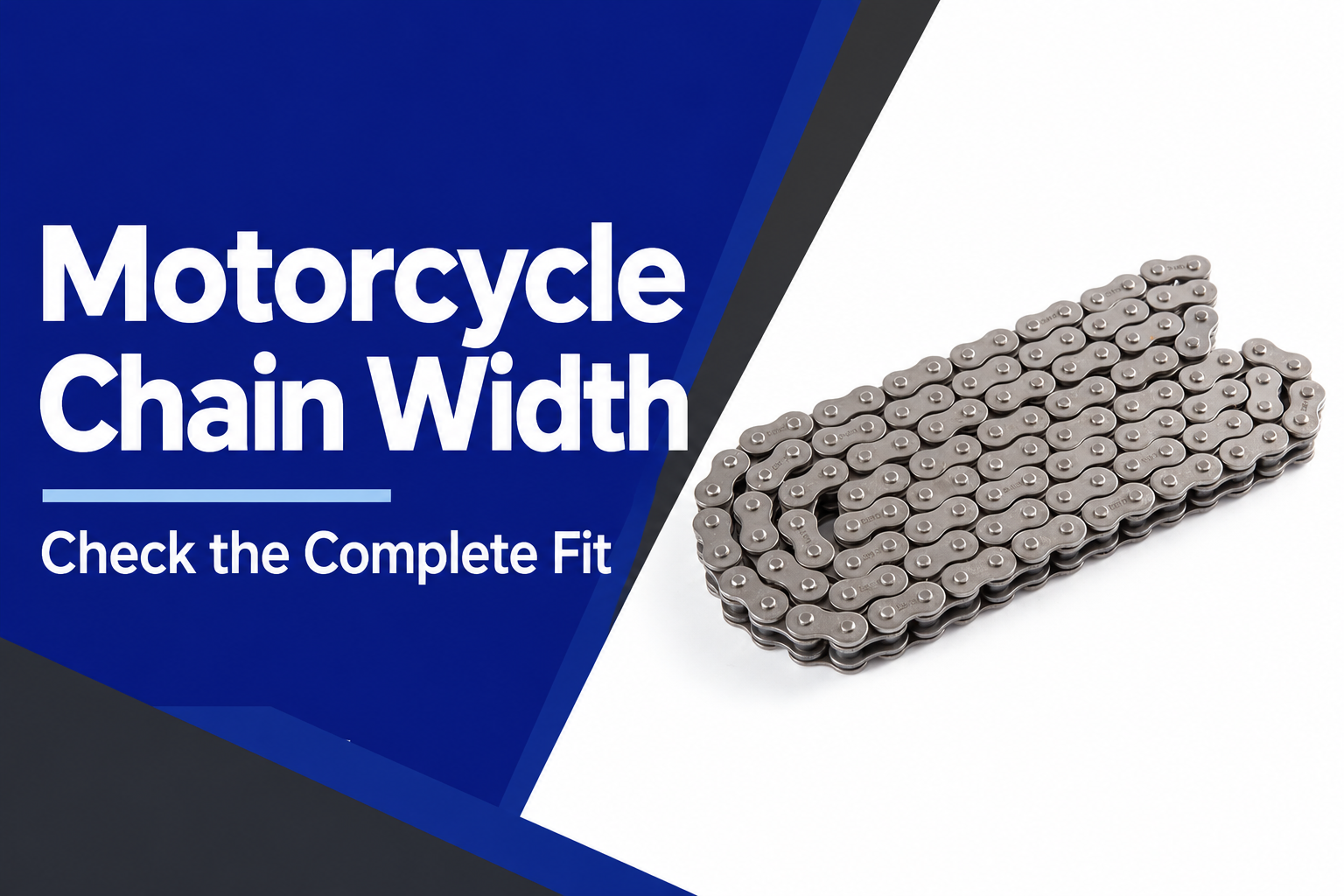
Begin with the intended application
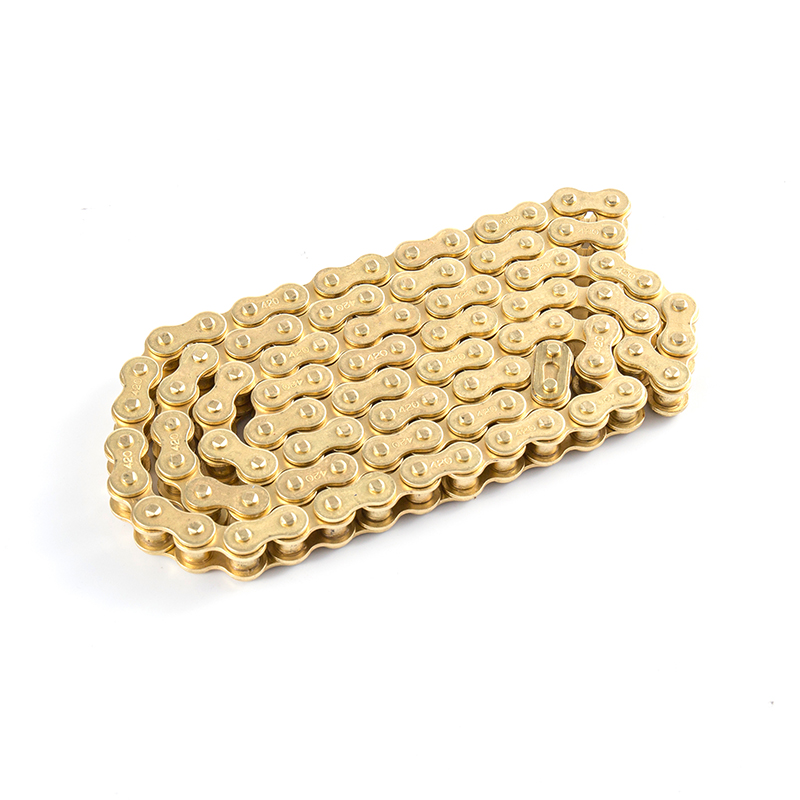
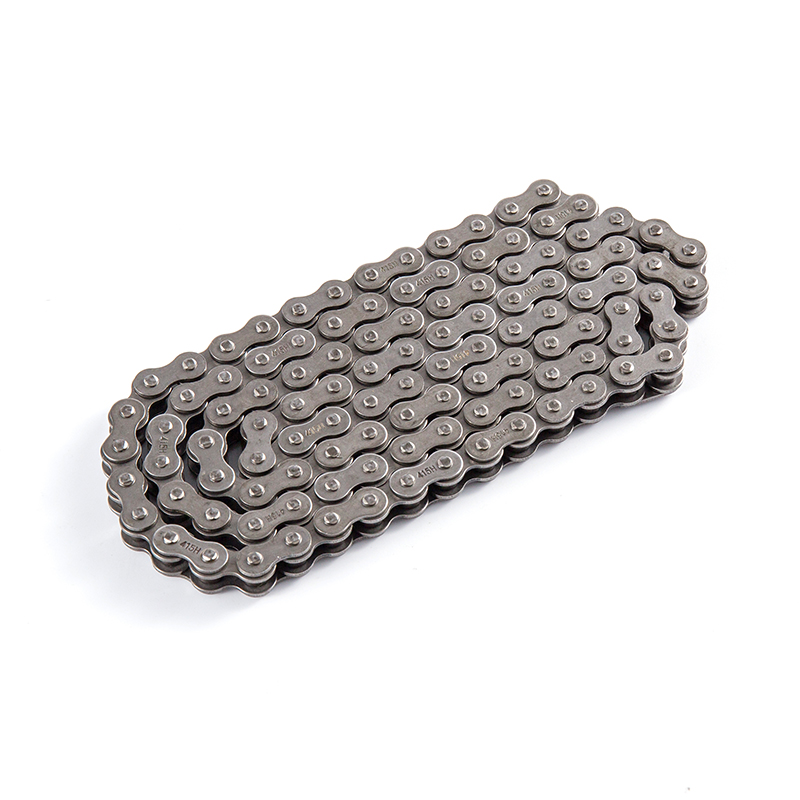
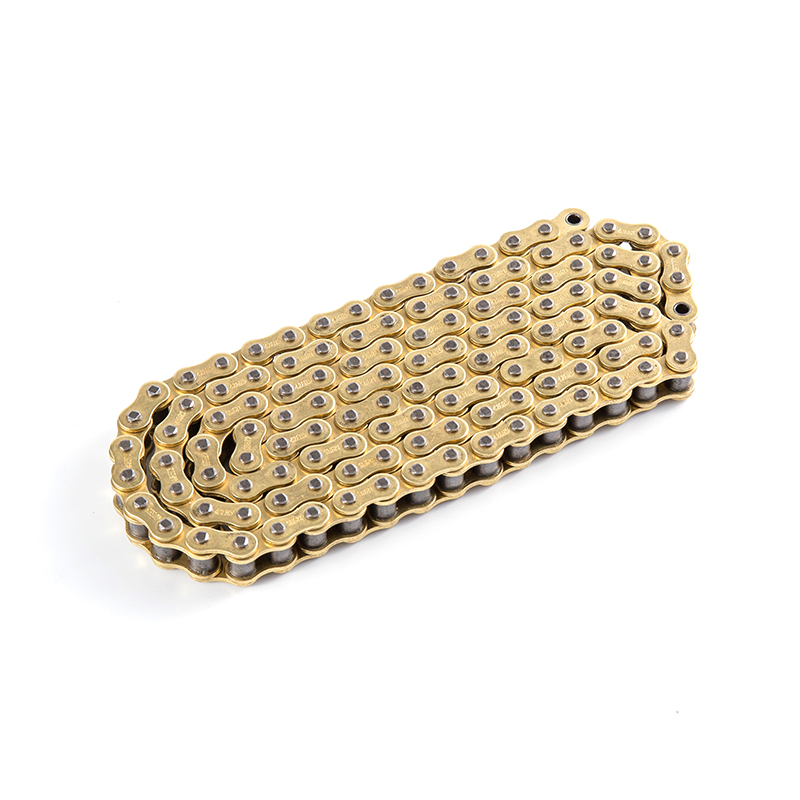
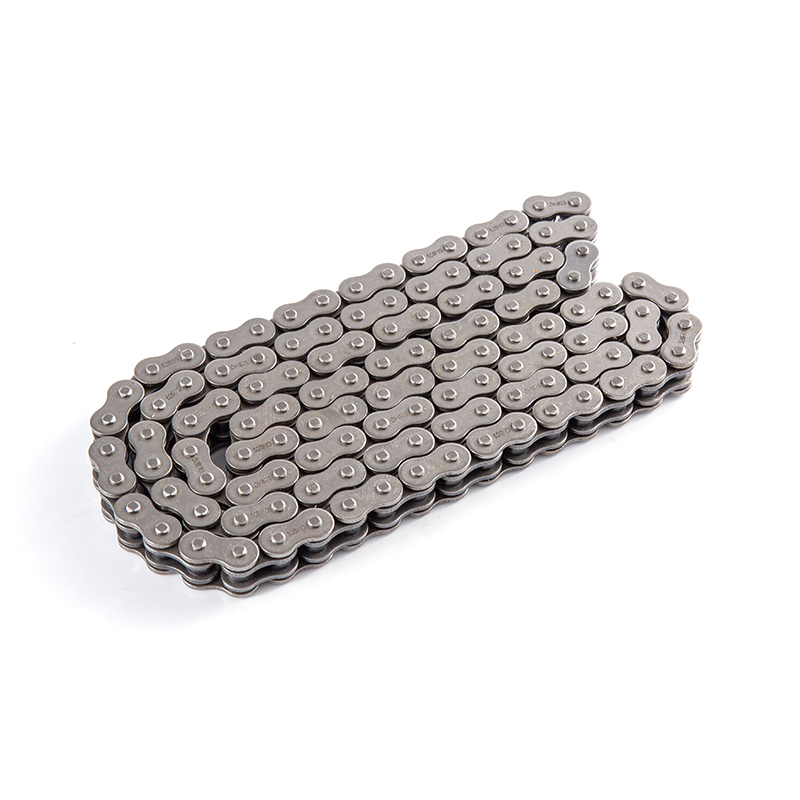
The sealed motorcycle chain range provides a product reference for this discussion; confirm the exact ordered version and its supporting documents before applying the checklist.
Record the motorcycle application and the source of its chain requirement. Where a customer supplies a model reference, clarify the relevant version and year rather than assuming all variants use the same drive arrangement. Keep sprocket and installation requirements with the application record.
The product family can help frame a discussion, but a photograph of a sealed chain does not establish suitability for a particular motorcycle. Ask for the relevant dimensions and supported fitment information. If that evidence is unavailable, leave the application unconfirmed rather than turning a visual resemblance into a compatibility claim.
Distinguish the dimensions
Pitch, internal width and overall width describe different aspects of chain geometry. A buyer comparing drawings should identify the actual dimension arrows rather than relying on a short column label. Ask whether an outside width includes the pin ends and how the joining component is represented.
Sealed construction introduces another reason to use the correct drawing. Different sealing arrangements and plate designs should not be assumed to have an identical envelope. Their effect on a specific application must be assessed from the supplied chain specification and the surrounding assembly, not from a general claim about sealed chains.
| Dimension or feature | What to clarify | What it does not prove alone |
|---|---|---|
| Pitch | Exact chain designation and drawing | Complete motorcycle compatibility |
| Internal width | The surfaces between which it is measured | Outside running clearance |
| Overall width | Whether pins and other projections are included | Clearance throughout suspension travel |
| Joining component | Approved type for the supplied chain | Interchangeability with a different chain |
| Seal arrangement | The exact supplied construction | A universal fitment advantage |
Keep units consistent across drawings. A converted dimension should retain enough precision for the comparison and should not replace the manufacturer's original specification. Where two drawings use different conventions, ask for clarification before concluding that a difference is real.
Review clearance as an assembly question
The chain operates between sprockets and alongside other parts. Its running envelope cannot be judged solely from a loose chain held beside the motorcycle. The responsible installer must follow the vehicle and chain instructions when checking alignment, adjustment and clearance.
Ask which nearby features could be affected by a change in outside width. Guides, guards and adjacent structural parts may deserve attention, depending on the application. Do not prescribe an invented universal clearance value; the correct requirement must come from the applicable equipment information and engineering assessment.
- Retain the original application requirement.
- Identify the exact proposed chain specification.
- Compare dimension definitions, not just numbers.
- Check the supplied joining component with that specification.
- Refer unresolved clearance questions to the responsible fitment specialist.
If an application is modified, clearly separate it from standard fitment claims. A change to sprockets or surrounding hardware may alter the assessment. The distributor should preserve that distinction in its product information instead of copying a standard application list onto a modified configuration.
Keep the sample and bulk order aligned
A sample can help verify dimensions and packaging identity, but it should be traceable to the proposed bulk specification. Record the chain designation, construction and any supplier part number shown on its documents. Do not approve only the colour of the plates or the appearance of the box.
When an alternative is proposed, ask which documented characteristics differ. A substitution should trigger a review of the relevant application information, not simply a new photograph in the purchasing file. This is especially useful when several similar chains are sold through the same distribution channel.
Give the sales team a precise description
Product listings should use the chain's supported specification and confirmed application scope. Avoid language suggesting that one size marking guarantees a fit on every motorcycle using a broadly similar chain. State the limits of the available evidence clearly enough that the customer can identify the correct item.
For warehouse staff, make the distinction visible in the stock code and label. Similar-looking cartons can conceal different constructions or joining components. A receiving check against the order and supplier documents reduces the chance that a fitment review is undone by a picking error.
Width is therefore one part of a complete chain selection record. By separating internal geometry, outside envelope and confirmed application requirements, buyers can ask better questions without inventing a compatibility promise. The result is a clearer enquiry, a more defensible substitution decision and product information that reflects the actual chain being supplied.
Where customers request an alternative chain for stock availability, keep the original request and proposed substitute visible in the same record. That makes it easier to see which dimensions and application information were actually compared, rather than relying on a remembered verbal assurance.





Copyright © Jiangshan Wangpai Chain Industry Co., Ltd. All Rights
Reserved
 Motorcycle Chain Manufacturer