 EN
EN

 中文简体
中文简体
What are the main applications of motorcycle chains?
What are the main applications of motorcycle chains?
What are the main applications of motorcycle chains?
What are the main applications of motorcycle chains?
What are the main applications of motorcycle chains?
What are the main applications of motorcycle chains?
What are the main applications of motorcycle chains?
What are the main applications of motorcycle chains?
What are the main applications of motorcycle chains?
What are the main applications of motorcycle chains?
What are the main applications of motorcycle chains?
What are the main applications of motorcycle chains?
What are the main applications of motorcycle chains?
What are the main applications of motorcycle chains?
What are the main applications of motorcycle chains?
What are the main applications of motorcycle chains?

What are the main applications of motorcycle chains?
2026-02-12
1. Traditional Gasoline Motorcycles
- Street bikes, sports bikes, cruisers, retro bikes
- Scooters (some mid-to-high-end models still use chains)
- Motocross motorcycles, circuit racing motorcycles, rally motorcycles (Dakar, etc.)
2. Electric Motorcycles/Electric Motorbikes
- Two-wheeled electric motorcycles, high-speed electric mopeds
- Delivery/shared electric motorcycles, high-power electric mobility scooters
Features: Higher torque, requiring stronger chains.
3. Motorcycle Racing and Professional Sports
- Circuit off-road racing, road racing, endurance racing
- Stunt motorcycles, sled motorcycles
These are applications requiring high strength and high reliability.
4. All-Terrain Vehicles/ATVs (ATVs/UTVs)
- Farm vehicles, ATVs, off-road 4WD vehicles
Many drivetrains also use motorcycle-grade chains.
5. Small Motorized Vehicles
- Mopeds, A-bikes
- Recreational mobility scooters for the elderly (some)
- Go-karts, mini motorcycles, children's off-road motorcycles
6. Industrial and Special Equipment
- Small generators, garden machinery (some drive chains)
- Small agricultural machinery, plant protection machinery
- Scooters, electric bicycles (some heavy-duty models)
7. Modification and Aftermarket
- Replacement parts for motorcycle modification and repair shops
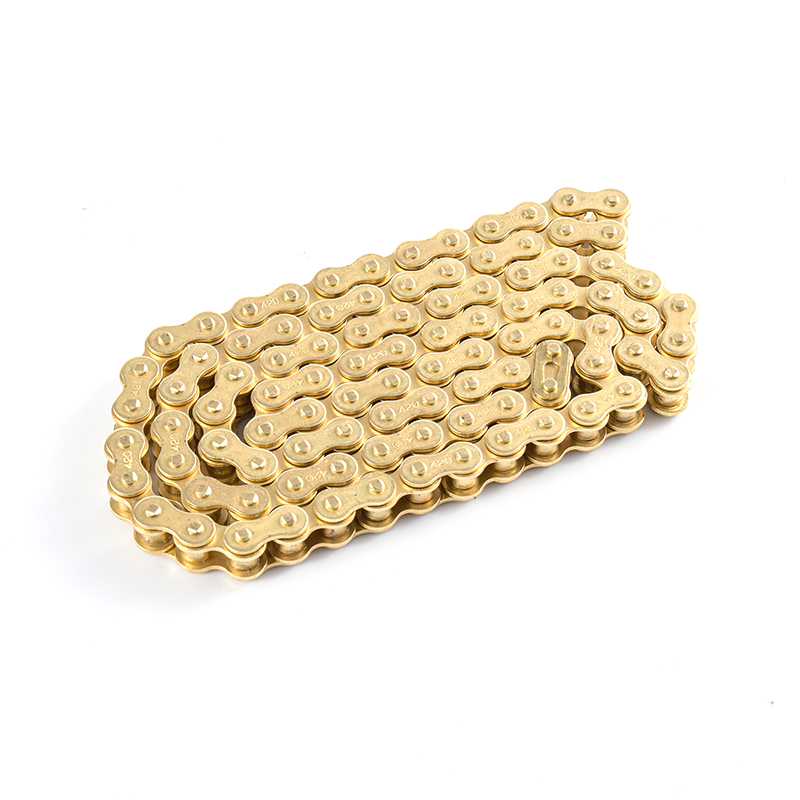
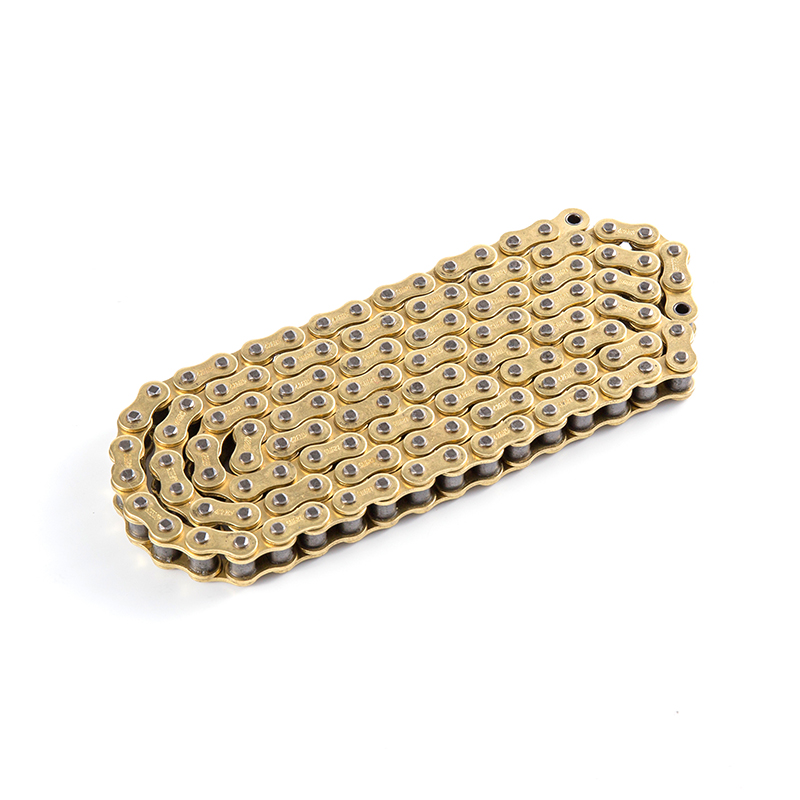
- Upgraded oil-sealed chains, colored chains, lightweight racing chains
These are among the core wear parts in the motorcycle aftermarket.
---
Simple Summary:
Motorcycle chains = Two-wheeled gasoline vehicles + Electric motorcycles + Racing motorcycles + ATV/UTV + Small motorized equipment + Modification aftermarket
If needed, I can help you compile a concise version/PPT presentation for industry reports.





Copyright © Jiangshan Wangpai Chain Industry Co., Ltd. All Rights
Reserved
 Motorcycle Chain Manufacturer