 EN
EN

 中文简体
中文简体
What Should You Know About X-ring Motorcycle Chain Before Buying
What Should You Know About X-ring Motorcycle Chain Before Buying
What Should You Know About X-ring Motorcycle Chain Before Buying
What Should You Know About X-ring Motorcycle Chain Before Buying
What Should You Know About X-ring Motorcycle Chain Before Buying
What Should You Know About X-ring Motorcycle Chain Before Buying
What Should You Know About X-ring Motorcycle Chain Before Buying
What Should You Know About X-ring Motorcycle Chain Before Buying
What Should You Know About X-ring Motorcycle Chain Before Buying
What Should You Know About X-ring Motorcycle Chain Before Buying
What Should You Know About X-ring Motorcycle Chain Before Buying
What Should You Know About X-ring Motorcycle Chain Before Buying
What Should You Know About X-ring Motorcycle Chain Before Buying
What Should You Know About X-ring Motorcycle Chain Before Buying
What Should You Know About X-ring Motorcycle Chain Before Buying
What Should You Know About X-ring Motorcycle Chain Before Buying

What Should You Know About X-ring Motorcycle Chain Before Buying
2026-07-17
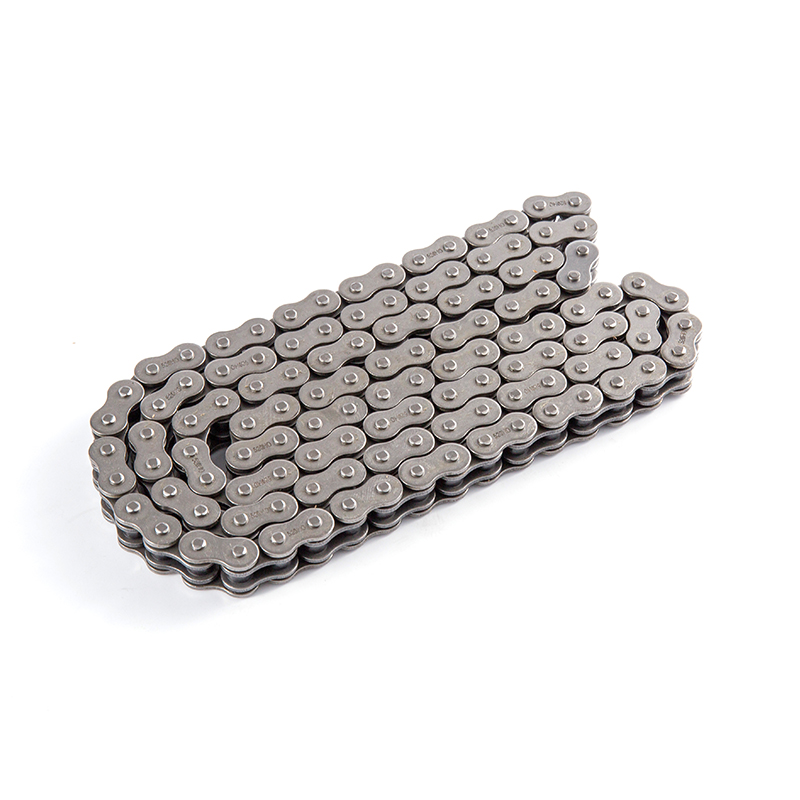
When riders start comparing chain options, the same questions tend to return: how it works, how it differs from other chain styles, what kind of care it needs, and how to judge whether it fits a particular motorcycle. An X-ring Motorcycle Chain is often discussed in that context because its sealing design changes how lubrication is held inside the links and how the chain behaves in daily use. For riders, the real interest is usually practical. Will it suit the bike. Will it hold up in mixed riding conditions. Will maintenance stay manageable. For a manufacturer, those are the questions that matter most, because they shape product choice, installation habits, and long-term satisfaction.
What Is an X-ring Motorcycle Chain and How Does Its Sealing Design Work
At a simple level, the chain is built to transfer power from the engine to the rear wheel with controlled movement and steady engagement. The sealing design is what sets this type apart. The seal shape sits between the inner and outer parts of the link and helps keep internal grease in place while helping reduce unwanted contamination from outside.
The idea is not complicated, but the effect is important. When the internal lubrication stays where it should, the moving parts inside the link can keep working with less friction and less direct exposure to dirt or moisture. That matters in daily riding, where the chain is exposed to road spray, dust, and frequent changes in speed.
The chain is often chosen by riders who want a sealed design without adding unnecessary complexity to the bike. It is also common among buyers who are comparing several chain types and want a balance between smooth movement and practical care.
A useful way to think about the sealing system is to treat it as a barrier with a support role. It does not remove maintenance, and it does not make the chain independent from wear. It does help create a more controlled working environment inside each link.
How Does an X-ring Motorcycle Chain Compare With an O-ring Motorcycle Chain
A common comparison appears between the two sealed chain styles. Both use a seal to help retain lubrication, but the seal shape changes the way the contact area behaves during movement. That change can influence feel, drag, and the way the chain responds over time.
| Aspect | X-ring style | O-ring style |
|---|---|---|
| Seal shape | Cross-shaped contact profile | Round contact profile |
| Movement feel | Often viewed as smoother in use | Often viewed as more direct and simple |
| Seal contact | Designed to reduce friction at the seal | Uses a broader round seal contact |
| Maintenance focus | Still needs cleaning and checks | Still needs cleaning and checks |
| Common use | Often chosen for road use and mixed riding | Often chosen for practical sealed-chain use |
The comparison is not about making one version universal for every motorcycle. It is about matching the chain to the rider's habits, the bike's output, and the amount of care the owner is prepared to give it. Some riders care more about response. Some care more about durability. Some care more about a quieter, more settled ride. The right choice depends on which of those points carries more weight in daily use.
For a manufacturer, this comparison is useful because it helps customers narrow down their needs without treating the chain as a one-size-fits-all item.
Which X-ring Motorcycle Chain Size Fits Your Motorcycle and Riding Needs
Sizing is one of the points that deserves careful attention, because the wrong chain choice can create a chain and sprocket match that feels off even if the product itself is well made. Buyers often begin with fitment, but fitment has more than one layer. The chain must suit the motorcycle, the sprocket setup, and the intended riding use.
A rider should pay attention to chain pitch, link count, and the overall setup recommended for the bike. If those elements are not aligned, the chain may not sit correctly or may wear in an uneven pattern. This is where a simple visual check is not enough. Compatibility should be confirmed before ordering.
Here is a practical buying guide that keeps the focus on fit rather than appearance.
| What to check | Why it matters |
|---|---|
| Motorcycle model fit | Confirms basic compatibility |
| Sprocket matching | Helps the chain engage cleanly |
| Link count | Supports correct installation |
| Riding load | Affects the chain choice for daily use or heavier use |
| Replacement purpose | Helps avoid choosing the wrong setup for a worn system |
A useful habit is to check the existing setup before replacing anything. If the sprockets are already worn, a new chain alone may not solve the real issue. The whole drive setup works together, so the chain should be considered part of a system rather than an isolated part.
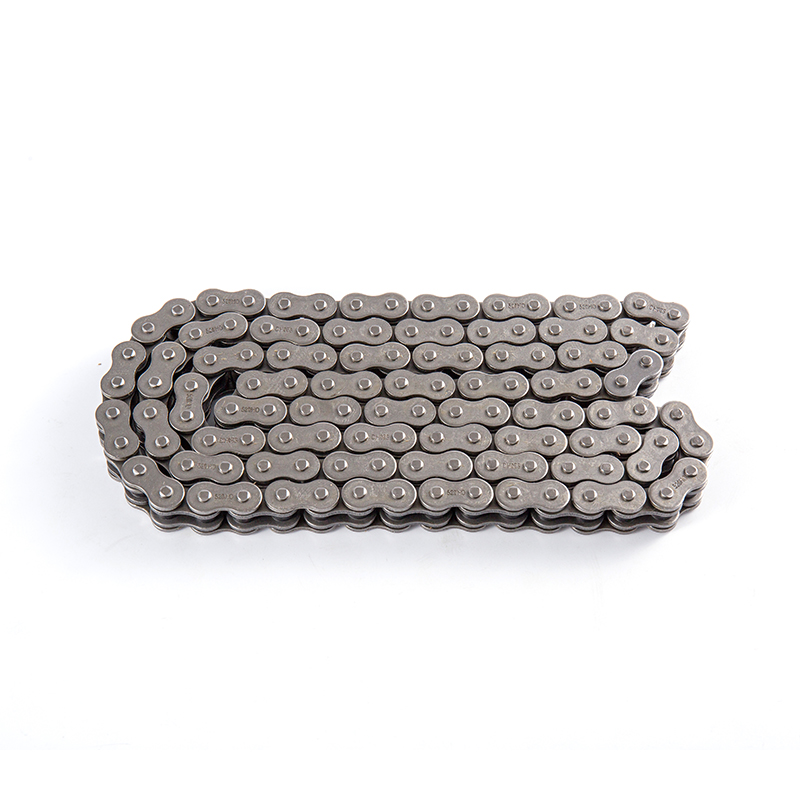
How to Choose an X-ring Motorcycle Chain for Different Riding Conditions
Riding conditions shape how a chain behaves over time. A rider who moves through city traffic faces repeated stop-start use, heat buildup, and frequent speed changes. A rider on longer roads may want steadier motion and a chain that stays consistent under extended running. A rider on rougher routes may focus more on cleaning, contamination, and resistance to grime.
That is why the same chain can feel suitable in one situation and less practical in another. The question is not only whether the chain can work. The question is whether it matches the routine of the rider.
For city use, buyers often look for smooth engagement and manageable upkeep. For longer trips, stable movement and consistent tension matter more. For mixed roads, the chain needs to handle changing conditions without drawing too much attention from the rider. In every case, the chain should feel balanced rather than demanding.
When a customer asks for guidance, it helps to discuss how often the motorcycle is used, what kind of roads it sees, and how much care the owner is likely to give it. These are practical filters. They keep the choice grounded in real use rather than general assumptions.
Why Does an X-ring Motorcycle Chain Need Proper Lubrication and Maintenance
Even with a sealed design, the chain still needs care. Seals help protect internal grease, but the outside of the chain still meets dirt, water, and road film. That means cleaning and lubrication remain part of normal ownership.
A clean chain can move more evenly and is easier to inspect. Dirt left on the surface can mix with residue and create abrasive contact during riding. That is why many riders use a routine that includes gentle cleaning, careful drying, and a suitable lubricant applied at the right time. The goal is not to flood the chain. The goal is to support movement without harming the seal material.
Maintenance also helps the rider notice small changes before they become larger problems. A chain that starts to feel rough, dry, or uneven may need attention sooner than expected. Small habits such as checking slack, looking at link movement, and watching for rust spots can make a noticeable difference in how the chain behaves.
Some practical care points include:
- Clean the outer surface before applying lubricant.
- Use a product that is suitable for sealed chains.
- Avoid harsh handling that can damage the seals.
- Check the chain after wet riding or dusty roads.
- Watch for irregular movement across the links.
This is less about a strict ritual and more about steady attention. A chain often lasts longer when it is treated as part of normal bike care rather than as a part that can be ignored until trouble appears.
What Are the Common Signs That an X-ring Motorcycle Chain Needs Replacement
Wear usually shows itself in small ways before it becomes obvious. A rider may notice a change in sound, a rougher ride feel, or uneven behavior during acceleration. The chain may also become harder to adjust properly, which can signal that the internal movement is no longer as consistent as it should be.
A few signs deserve close attention:
- The chain does not move evenly through rotation.
- Noise increases during use.
- Slack becomes difficult to keep stable.
- Link motion feels stiff or uneven.
- The surface shows visible wear or damage.
- The seal area looks worn, cracked, or out of shape.
These signs do not always point to a chain alone. A worn sprocket or poor alignment can create similar symptoms. That is why inspection should include the full drive setup. Replacing one part while ignoring the others can leave the problem unresolved.
For many buyers, replacement becomes a practical decision rather than a dramatic one. The right point is usually when the chain no longer holds steady movement or begins to affect ride quality. Waiting too long can place extra strain on related parts.
What Manufacturing Processes Help Improve X-ring Motorcycle Chain Reliability
A chain's daily behavior starts long before it reaches the rider. Material choice, forming, assembly, and finishing all shape how the product behaves under load. When those steps are handled with care, the chain is more likely to move evenly and keep a steady feel in use.
At a production level, consistency matters. Small differences in part shape or assembly can affect how the links seat together and how the sealing elements perform. Surface finish also plays a role, since smoother contact areas can help reduce unwanted wear during movement.
Manufacturers also look at how each part fits into the next. A chain is only as consistent as the link interaction allows. If the moving parts are not aligned cleanly, the rider may feel that as noise, stiffness, or uneven operation.
That is why buyers often ask about process details even when they are not asking for technical depth. They want to know whether the chain was built with care, whether the parts fit tightly, and whether the chain should feel steady in everyday use.
The main point is straightforward: a chain that is assembled with controlled steps is more likely to behave in a controlled way on the road.
What Should Buyers Know Before Ordering X-ring Motorcycle Chain From a Manufacturer
Ordering from a manufacturer usually works better when the buyer brings a clear list of needs. That list does not have to be complicated. It should cover fit, riding purpose, packaging expectations, and any special preferences for the market or distribution channel.
A simple review checklist can help keep the order process clean.
| Buying check | What to confirm |
|---|---|
| Fitment | Chain size and motorcycle match |
| Use case | Daily riding, mixed roads, or longer travel |
| Build preference | Standard sealed chain or other request |
| Packaging | Retail box, bulk pack, or custom pack |
| Communication | Clear details on model, quantity, and labeling |
Buyers often save time by sharing the current chain setup and the sprocket condition before placing an order. That gives the manufacturer a better basis for response and reduces avoidable mismatch. It also helps when the buyer is comparing several options and needs a clearer path toward the right product.
For manufacturers, the main value is clarity. For buyers, the main value is fewer revisions. Both sides benefit when the order request is specific and the intended use is stated plainly.
A good order process does not need to be complicated. It needs to be accurate, practical, and aligned with the motorcycle's real needs.
What matters most is matching the chain to the bike, the rider, and the maintenance habits that come with everyday use. When those pieces align, the product is easier to fit into a working routine and easier to evaluate over time.





Copyright © Jiangshan Wangpai Chain Industry Co., Ltd. All Rights
Reserved
 Motorcycle Chain Manufacturer