 EN
EN

 中文简体
中文简体
How Does a Motorcycle Chain Factory Meet Buyer Needs
How Does a Motorcycle Chain Factory Meet Buyer Needs
How Does a Motorcycle Chain Factory Meet Buyer Needs
How Does a Motorcycle Chain Factory Meet Buyer Needs
How Does a Motorcycle Chain Factory Meet Buyer Needs
How Does a Motorcycle Chain Factory Meet Buyer Needs
How Does a Motorcycle Chain Factory Meet Buyer Needs
How Does a Motorcycle Chain Factory Meet Buyer Needs
How Does a Motorcycle Chain Factory Meet Buyer Needs
How Does a Motorcycle Chain Factory Meet Buyer Needs
How Does a Motorcycle Chain Factory Meet Buyer Needs
How Does a Motorcycle Chain Factory Meet Buyer Needs
How Does a Motorcycle Chain Factory Meet Buyer Needs
How Does a Motorcycle Chain Factory Meet Buyer Needs
How Does a Motorcycle Chain Factory Meet Buyer Needs
How Does a Motorcycle Chain Factory Meet Buyer Needs

How Does a Motorcycle Chain Factory Meet Buyer Needs
2026-07-10
Buying motorcycle chains is rarely a simple product choice. For many buyers, the real question is whether the supplier can keep production steady, communicate clearly, and handle different order requests without confusion. A chain may look like a small part, but it carries a practical role in daily riding, product matching, and long-term customer satisfaction.
A Motorcycle Chain Factory is expected to do more than assemble parts. It needs to manage materials, processing, inspection, and packaging in a way that gives buyers confidence. That is why many importers, distributors, and OEM customers pay close attention to how the factory works before they place an order.
For a buyer, the value is not only in the product itself. It is also in the way questions are answered, samples are handled, and details are confirmed. When these parts of the process feel organized, cooperation becomes easier.
What Should Global Buyers Know Before Choosing a Supplier
Before a buyer starts comparing options, it helps to look at the factory from a practical angle. Price matters, but it does not explain everything. A supplier may offer the right product name, yet still fall short on communication, consistency, or order handling.
Buyers usually care about a few things first:
- Whether the factory can support regular production without delays
- Whether product details are clear and easy to confirm
- Whether the supplier can handle custom requests in a clean way
- Whether sample communication feels direct and reliable
There is also the question of fit. Some buyers need standard products for wider market use. Others need a more flexible setup for branded orders or local requirements. A Motorcycle Chain Factory that understands both sides can respond with more useful suggestions instead of giving a general reply.
At this stage, the buyer is not just checking a product. The buyer is checking whether the supplier can become a workable part of the supply chain. That means asking simple but important questions, such as how orders are handled, how details are confirmed, and how issues are managed if a request changes.
How Does a Motorcycle Chain Factory Produce Chains for Different Motorcycle Applications
Not every motorcycle uses chain products in the same way. A chain for city riding may need to feel stable and easy to maintain, while a chain for rougher use may need to handle more demanding conditions. Because of that, production is usually shaped by the intended application.
The factory often begins by looking at the use case before it looks at the final product. That helps avoid a one-size-fits-all approach. A supplier that works only from a basic model number may miss details that matter to the buyer.
Common application needs can be viewed like this:
| Motorcycle Use | Main Buyer Concern |
|---|---|
| Daily road use | Smooth operation and regular upkeep |
| Off-road use | Handling changing riding conditions |
| Touring use | Stable performance over longer use |
| Utility use | Practical use and easier maintenance |
This kind of matching is important because buyers often need more than a chain that simply fits. They need a chain that works in the kind of riding their customers expect. A Motorcycle Chain Factory with flexible production planning can make those choices clearer by adjusting material handling, processing direction, and packaging approach.
The subject is not only technical. It is also commercial. If the factory understands how the chain will be used, the buyer can avoid mismatched orders and reduce unnecessary back-and-forth. That saves time on both sides.
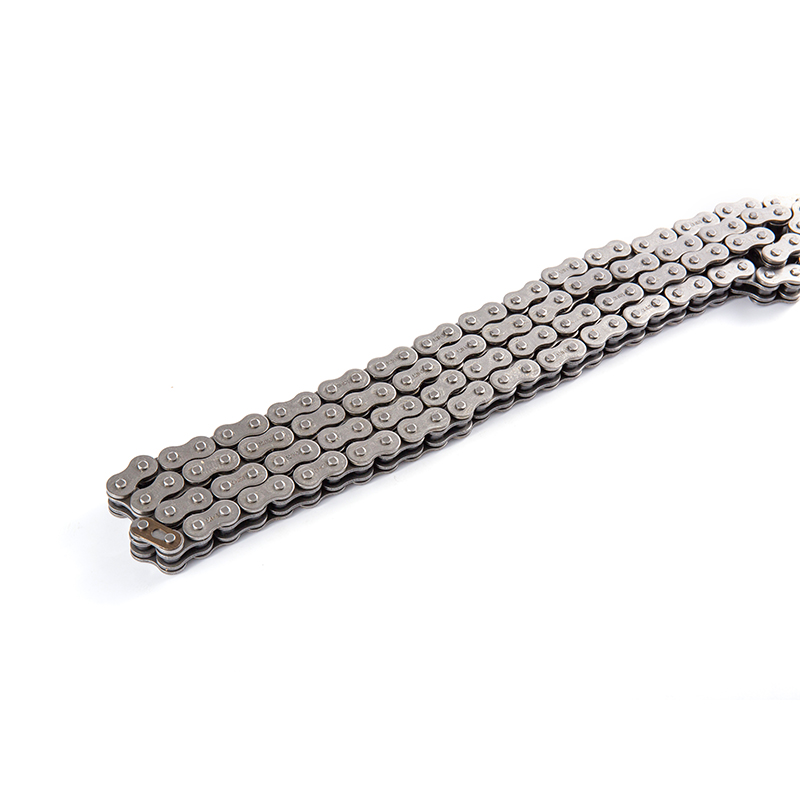
What Are the Key Production Steps Inside a Factory From Steel to Finished Chain
The path from raw material to finished chain usually follows a steady sequence. Each stage has its own purpose, and each stage depends on the one before it. If one part of the process is rushed, the final result may feel uneven.
A typical production flow looks like this:
- Material preparation
- Component shaping
- Heat processing
- Assembly
- Surface finishing
- Inspection
- Packing
This sequence may sound simple, but the details matter. Material preparation sets the base. Component shaping affects how parts fit together. Assembly determines whether the structure works as intended. Finishing and inspection help the product leave the factory in a condition that matches the order request.
Not every customer needs the same visual style or packaging format. Some want a clean bulk setup. Others need branded packaging for retail channels. That is another reason the production line has to stay organized from start to finish.
A Motorcycle Chain Factory that keeps these steps clear can make cooperation smoother, because buyers are able to follow the process without guessing what happens next.
How Does a Motorcycle Chain Factory Control Quality Throughout the Process
Quality control should not begin at the end of production. It works better when it is part of the process from the start. That way, the factory can catch issues early instead of waiting until a finished product is already packed.
The most useful checks are often simple and repeated. Materials are reviewed when they arrive. Components are checked after shaping. Assembly is watched for fit and consistency. Finished products are reviewed before shipping.
| Stage | What Is Usually Checked |
|---|---|
| Incoming materials | Condition and suitability |
| Part processing | Size consistency and surface condition |
| Assembly | Fit and movement |
| Final check | Appearance and order match |
This kind of control is not about making the process complicated. It is about keeping it steady. Buyers usually care whether the product they receive matches the sample, the agreed details, and the expected use. A factory that works with a clear inspection habit can support that expectation more naturally.
When communication is direct, quality control becomes easier to discuss as well. Buyers can ask about the steps that matter to them, and the factory can answer in a way that reflects real production practice rather than vague promises.
Why Does a Motorcycle Chain Factory Use Heat Treatment and Surface Processing for Better Chain Performance
After the main parts have been shaped and assembled, the next stage often decides how the product behaves in use. Heat treatment and surface processing are not decorative steps. They help change how the metal reacts to stress, friction, and long-term use.
Heat treatment is usually used to adjust hardness and support a more stable structure. Without that step, the chain may not hold up as well under repeated movement. Surface processing serves a different purpose. It can help with resistance to wear and help the product handle moisture or rough storage conditions more calmly.
Buyers do not always ask for these details at the beginning, yet they often notice the result later. A chain that keeps its condition more steadily is usually easier to work with in the market. That is why a Motorcycle Chain Factory needs to think beyond assembly and pay attention to how the surface and internal structure are handled.
The exact approach can change by order requirement. Some buyers care more about regular use. Others want a product that fits a more demanding environment. In both cases, the manufacturing method should match the intended use rather than rely on a single process for every order.
How Can Buyers Choose the Right Motorcycle Chain Size Through a Professional Factory
Choosing the right size is not only a technical step. It is also part of avoiding unnecessary problems later. If the chain does not match the motorcycle system, the buyer may face complaints, returns, or extra communication that could have been avoided earlier.
A practical supplier usually helps buyers confirm the right size by asking about the vehicle type, the use condition, and the expected market. This kind of discussion is often more useful than simply listing products. It gives the buyer a clearer path to the right choice.
A few points usually matter during selection:
- The motorcycle model and its matching requirements
- The riding condition and maintenance habits
- The order purpose, whether for retail or replacement use
- The level of flexibility needed for packaging or branding
Different buyers may also have different levels of product familiarity. Some already know the size they need. Others need help comparing options. In both situations, direct communication is useful. A Motorcycle Chain Factory that can explain the available options without overcomplicating the discussion gives buyers a more workable experience.
Size selection is also tied to market expectations. If a product is intended for broad distribution, the chain choice has to fit common demand patterns. If the order is for a narrower channel, the buyer may want more specific matching. Either way, the supplier should help narrow the choice rather than push a generic answer.
What Questions Should Importers Ask When Working With a Motorcycle Chain Factory for OEM Orders
OEM cooperation usually begins with questions that sound simple but matter a lot. Buyers want to know whether the factory can handle custom requests, maintain clear production control, and keep the order process organized from sample to shipment.
The most useful questions are often practical rather than broad. For example, buyers may ask whether logo placement is available, whether packaging can be adjusted, or how sample confirmation is managed. These points help define the working relationship before production begins.
A few common topics to confirm are:
| OEM Topic | What Buyers Usually Confirm |
|---|---|
| Product style | Whether the chain matches the target market |
| Branding needs | Whether logos or packaging can be adjusted |
| Sample process | How samples are checked before production |
| Order handling | How special requests are recorded and followed |
| Communication | How details are confirmed during the order stage |
OEM orders usually work better when both sides keep the discussion specific. Vague requests can create confusion later, especially when the buyer has a clear market target but has not yet translated it into production terms. A supplier that listens carefully and responds in a structured way can reduce that gap.
For importers, the real value is not only in getting a customized product. It is also in understanding whether the supplier can keep the same logic from sample to batch order. That kind of consistency is often what makes the cooperation practical.
Tips for Building Long Term Cooperation With a Motorcycle Chain Factory Through Clear Communication and Quality Control
Long term cooperation usually depends on small habits rather than one large promise. Clear communication is one of those habits. When details are shared early and written down clearly, both sides have a better chance of avoiding repeated adjustments.
Quality control also plays a large role. Buyers usually feel more confident when they know how issues are checked, how feedback is handled, and how order details are verified before packing. A steady process makes future orders easier to manage.
A few simple habits can help:
- Keep product requirements clear from the start
- Confirm sample details before moving forward
- Share feedback in a direct and timely way
- Review packaging, labeling, and order notes carefully
Long term business usually grows when both sides know what to expect. Buyers want reliability. Factories want clarity. When those two needs meet, the cooperation tends to move more smoothly.
For buyers who want a more direct starting point, product discussions can be aligned with Jiangshan Wangpai Chain Industry Co., Ltd. during the inquiry stage, where chain type, use case, and order details can be reviewed in a more practical way.





Copyright © Jiangshan Wangpai Chain Industry Co., Ltd. All Rights
Reserved
 Motorcycle Chain Manufacturer