 EN
EN

 中文简体
中文简体
Can High-Pressure Washing Damage a Sealed Motorcycle Chain
Can High-Pressure Washing Damage a Sealed Motorcycle Chain
Can High-Pressure Washing Damage a Sealed Motorcycle Chain
Can High-Pressure Washing Damage a Sealed Motorcycle Chain
Can High-Pressure Washing Damage a Sealed Motorcycle Chain
Can High-Pressure Washing Damage a Sealed Motorcycle Chain
Can High-Pressure Washing Damage a Sealed Motorcycle Chain
Can High-Pressure Washing Damage a Sealed Motorcycle Chain
Can High-Pressure Washing Damage a Sealed Motorcycle Chain
Can High-Pressure Washing Damage a Sealed Motorcycle Chain
Can High-Pressure Washing Damage a Sealed Motorcycle Chain
Can High-Pressure Washing Damage a Sealed Motorcycle Chain
Can High-Pressure Washing Damage a Sealed Motorcycle Chain
Can High-Pressure Washing Damage a Sealed Motorcycle Chain
Can High-Pressure Washing Damage a Sealed Motorcycle Chain
Can High-Pressure Washing Damage a Sealed Motorcycle Chain

Can High-Pressure Washing Damage a Sealed Motorcycle Chain
2026-09-11
A motorcycle chain collects dust, road film, moisture, and other residue during normal use. Washing can remove much of this buildup, but the way water is applied also matters. A strong stream directed at a short distance can reach areas that ordinary washing may not affect in the same way.
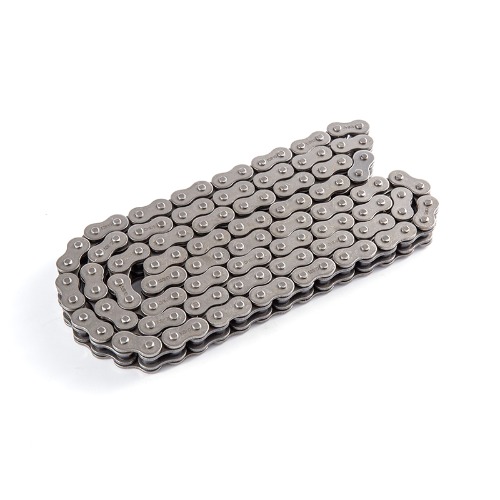
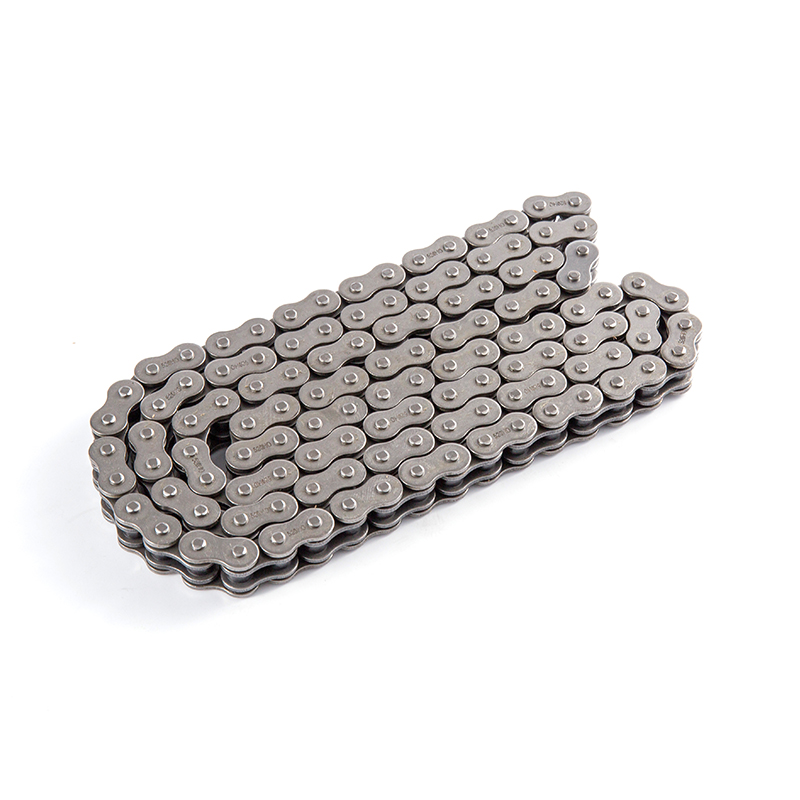
A sealed motorcycle chain is designed with small sealing parts around its moving connections. These parts help retain lubrication inside the chain while limiting the entry of outside contaminants. Because they sit close to moving surfaces, cleaning practices can affect their condition over time.
High-pressure washing does not automatically mean that chain damage will occur. The outcome depends on the pressure, distance, direction of the water, condition of the chain, and whether suitable cleaning products are used. Looking at these factors separately makes it easier to see where cleaning can create unnecessary stress.
How Does High-Pressure Water Reach Different Parts of a Sealed Motorcycle Chain
A motorcycle chain has many connected sections, and water can reach both the outer surfaces and the small gaps around the moving connections. When water is applied from a short distance, the force of the stream can push against dirt that has collected around these areas.
The outer plates are relatively easy to see and clean. The areas around the chain connections are less visible. They may hold a mixture of dust, old lubricant, moisture, and road residue. A strong stream can move this material around rather than simply carrying it away.
The direction of the water also matters. A stream aimed directly at the chain can act differently from water that flows across the chain surface. Direct pressure is more likely to disturb material around the seals and moving connections.
For routine washing, it is useful to think about the chain as a group of moving parts rather than a simple metal strip. Cleaning should remove unwanted material without creating unnecessary force around areas that need to remain protected.
Can Strong Water Pressure Affect the Seals of a Motorcycle Chain
The sealing parts are small and flexible. Their role is closely connected with keeping internal lubrication in place. If they become worn, cut, displaced, or otherwise damaged, the chain may no longer retain lubrication in the same way.
Water pressure alone does not mean that a seal will immediately fail. However, repeated exposure to a strong stream from a close distance can place additional stress on already worn or aged sealing parts.
This is particularly relevant when a chain has already been exposed to rough riding conditions. Existing wear can make small problems harder to notice during normal inspection. Washing may then reveal a condition that was already developing rather than being the only cause.
A simple approach is to avoid directing a concentrated water stream at the chain for longer than necessary. Cleaning should focus on removing surface contamination instead of forcing water into every small opening.
| Cleaning condition | Possible concern | Practical consideration |
|---|---|---|
| Water flowing across the chain | Surface residue may remain | Follow with suitable cleaning |
| Strong stream from a short distance | Greater force around small parts | Keep the stream at a reasonable distance |
| Repeated direct washing | Repeated stress on worn areas | Use a gentler cleaning approach |
| Heavy dirt buildup | Dirt may move around during washing | Loosen residue before rinsing |
What Happens When Water Reaches Areas Around the Chain Seals
Water around the outside of a seal is not necessarily a sign of damage. During normal washing, moisture can reach many exposed areas. The concern is what happens when moisture remains around these areas or when water is repeatedly driven into places that are difficult to dry.
Moisture can mix with remaining dirt and road residue. If the chain is then left without proper drying, the surrounding surfaces may stay damp for an extended period. This can contribute to surface corrosion and changes in the appearance or movement of the chain.
The condition of the seal also matters. A seal that is already damaged may provide less protection than one in good condition. Washing can make an existing issue easier to see because dirt that previously covered the area has been removed.
After washing, the chain should therefore not simply be left wet. A brief inspection can help identify unusual moisture, visible damage, or areas where dirt remains trapped.
How Can Dirt and Grit Change the Effect of High-Pressure Washing
Dirt changes the way water interacts with a chain. Fine particles can collect around the moving connections, while heavier mud can form a layer over the outer surfaces. When a strong water stream hits this material, the particles may be moved across the chain instead of being completely removed.
Grit is particularly relevant because it can act as an abrasive material when trapped between moving surfaces. If cleaning is performed aggressively, loosened particles can travel into nearby areas before being rinsed away.
A better cleaning sequence is relatively simple:
- Remove loose dirt before using strong rinsing.
- Work around heavily contaminated areas rather than attacking one spot continuously.
- Use a suitable brush when residue needs mechanical removal.
- Rinse away loosened material rather than pushing it deeper into the chain.
- Allow the chain to dry before applying suitable lubricant.
This approach separates cleaning from force. The goal is not to make the water do all the work.
Can Cleaning Chemicals Affect the Seals of a Sealed Motorcycle Chain
Water is only one part of motorcycle chain cleaning. Cleaning products can also affect the condition of the sealing parts, especially when a product is not intended for use around flexible seals.
A cleaning product may remove oil and road residue effectively from exposed surfaces, but the same product may not be suitable for every part of the chain. Repeated use of an unsuitable cleaner can affect flexible materials or leave unwanted residue behind.
The amount of product also matters. More cleaner does not necessarily mean better cleaning. Excess liquid can spread to areas that do not need treatment and can make the later drying process more difficult.
When choosing a cleaner, attention should be given to its intended application and instructions. A product designed specifically for motorcycle chain cleaning is generally easier to assess than a general household cleaner with an unknown effect on chain materials.
The following factors are worth checking before cleaning:
- Whether the product is intended for motorcycle chains.
- Whether it is suitable for use around chain seals.
- Whether it needs to be rinsed after application.
- Whether the chain requires drying before lubrication.
Why Can a Sealed Motorcycle Chain Need Lubrication After Washing
Sealing helps retain lubrication inside the moving parts, but the outside of the chain is still exposed to the riding environment. Washing can remove lubricant from exposed surfaces along with dirt and other residue.
This creates an important distinction. The lubrication inside the chain and the lubricant applied to its external surfaces do not serve exactly the same purpose. Cleaning should not be treated as the final step when the chain has been thoroughly washed.
After the chain is clean and reasonably dry, suitable lubricant can be applied according to its intended use. The application should be controlled rather than excessive. Too much lubricant can collect dust and road residue, creating another layer of contamination.
The timing also matters. Applying lubricant while the chain is still covered with water can make it harder to achieve an even coating. Allowing excess moisture to leave first gives the maintenance process a cleaner starting point.
What Chain Problems Can Appear After Improper High-Pressure Washing
Not every chain problem that appears after washing was caused by the washing itself. A cleaning session may simply remove dirt that had been hiding an existing condition.
For example, unusual noise after washing may be related to insufficient lubrication, existing wear, or contamination that remains around the moving sections. A chain that feels less smooth may also have an underlying condition that cleaning has made easier to notice.
Visible signs can provide useful clues:
- Damaged or displaced sealing parts
- Unusual rust or surface discoloration
- Links that do not move smoothly
- Dirt remaining around moving connections
- Changes in chain movement after cleaning
- Lubricant that has been washed away from exposed surfaces
These signs should be considered together rather than treated as proof of one specific cause. If a chain behaves differently after cleaning, checking its overall condition is more useful than immediately assuming that water pressure caused the problem.
| Observation after washing | What it may indicate | What to check |
|---|---|---|
| Surface rust appears | Moisture remained after cleaning | Drying and exposed surfaces |
| Chain feels dry | External lubricant was removed | Lubrication condition |
| Movement feels uneven | Existing wear or contamination | Individual moving sections |
| Seals look damaged | Previous wear or cleaning-related stress | Seal condition |
| Dirt remains around links | Cleaning was incomplete | Remaining contamination |
When Should a Sealed Motorcycle Chain Be Checked After Washing
A quick check is useful whenever the chain has been cleaned with strong water pressure, particularly when the chain was heavily contaminated beforehand.
The inspection does not need to be complicated. Look along the visible length of the chain and pay attention to changes that were not present before washing. The chain should also be checked for remaining dirt, unusual dryness, visible damage, or movement that does not appear normal.
A closer inspection is worth considering when:
- A seal appears cut, displaced, or visibly worn.
- The chain develops unusual noise after cleaning.
- Certain sections appear to move differently from others.
- Rust becomes visible around the moving areas.
- The chain remains wet for a long period after washing.
- Lubrication appears to have been removed from exposed surfaces.
High-pressure washing can be part of motorcycle cleaning, but it should not replace careful chain maintenance. Water is useful for removing contamination, while controlled cleaning, drying, inspection, and lubrication help maintain the chain's working condition.
The main consideration is not simply whether pressure washing is allowed. It is how the water is applied, where it is directed, and what condition the chain is already in. A measured cleaning method reduces unnecessary stress while still allowing road dirt and residue to be removed.





Copyright © Jiangshan Wangpai Chain Industry Co., Ltd. All Rights
Reserved
 Motorcycle Chain Manufacturer