 EN
EN

 中文简体
中文简体
Why Does a Drive Chain for Motorcycle Wear Unevenly in Use
Why Does a Drive Chain for Motorcycle Wear Unevenly in Use
Why Does a Drive Chain for Motorcycle Wear Unevenly in Use
Why Does a Drive Chain for Motorcycle Wear Unevenly in Use
Why Does a Drive Chain for Motorcycle Wear Unevenly in Use
Why Does a Drive Chain for Motorcycle Wear Unevenly in Use
Why Does a Drive Chain for Motorcycle Wear Unevenly in Use
Why Does a Drive Chain for Motorcycle Wear Unevenly in Use
Why Does a Drive Chain for Motorcycle Wear Unevenly in Use
Why Does a Drive Chain for Motorcycle Wear Unevenly in Use
Why Does a Drive Chain for Motorcycle Wear Unevenly in Use
Why Does a Drive Chain for Motorcycle Wear Unevenly in Use
Why Does a Drive Chain for Motorcycle Wear Unevenly in Use
Why Does a Drive Chain for Motorcycle Wear Unevenly in Use
Why Does a Drive Chain for Motorcycle Wear Unevenly in Use
Why Does a Drive Chain for Motorcycle Wear Unevenly in Use

Why Does a Drive Chain for Motorcycle Wear Unevenly in Use
2026-09-25
A motorcycle chain rarely wears in exactly the same way along its entire length. One section may still move smoothly while another feels less flexible. After the rear wheel is turned, the amount of slack can also appear to change. These differences are easy to overlook when the chain is inspected only at one position.
The reason is fairly simple. A motorcycle drive system is exposed to changing loads throughout normal riding. The chain moves around the front and rear sprockets, responds to acceleration and deceleration, and follows changes in the rear suspension. Road dirt, water, and dust add another layer of wear to the moving parts.
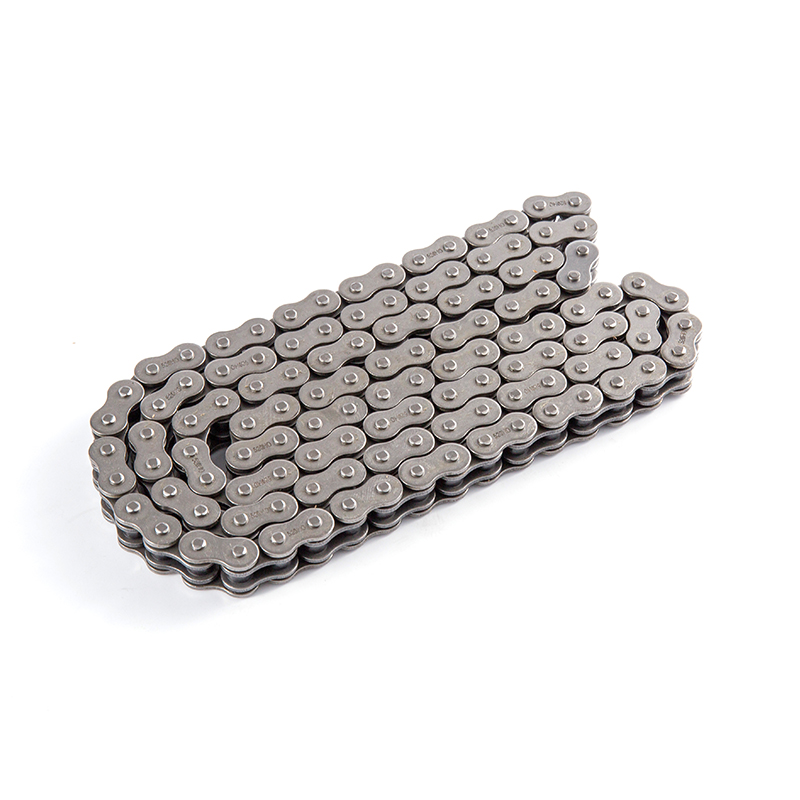
A Drive Chain for Motorcycle can therefore develop uneven wear through a combination of mechanical movement, component condition, adjustment, riding environment, and maintenance. Looking at each factor separately makes the source of the problem easier to narrow down.
What Causes Uneven Wear in a Drive Chain for Motorcycle
Uneven wear often becomes noticeable only after the chain has been in use for some time. At one point on the rear wheel, the chain may seem to have a normal amount of movement. Rotate the wheel and another section may feel noticeably different.
This can happen because each part of the chain goes through the sprocket engagement area repeatedly. Small differences in link movement, lubrication, contamination, or contact with the sprocket can gradually produce different wear patterns.
The sprockets are part of this process. Their teeth guide the chain as rotational force passes through the drive system. If their condition changes, the way individual links enter and leave the teeth can change as well.
The chain itself may also develop restricted movement. A link that does not move freely can behave differently from the links around it. Dirt or corrosion around the moving areas can make this condition more noticeable.
Some useful signs to compare during an inspection include:
- Different slack at different points as the wheel rotates
- Links that do not bend as freely as neighboring links
- Changes in sound during wheel rotation
- Visible differences in wear between chain sections
- Sprocket teeth that show noticeable changes in shape
None of these signs should be viewed in isolation. Uneven movement can have more than one cause, particularly when a chain has been used under changing road and weather conditions.
How Does Chain Tension Influence Motorcycle Drive Chain Wear
Chain tension is closely tied to the way power moves through the motorcycle. A chain with excessive slack has more room to move before it settles into the sprocket. During acceleration or deceleration, that extra movement can be felt as a sharper change in the drive response.
The opposite situation can also cause trouble. A chain adjusted too tightly has less room to accommodate normal movement of the rear suspension. As the suspension position changes, the distance between the relevant components changes as well.
There is another detail worth noticing during inspection: chain tension may not feel identical throughout the rotation of the rear wheel. If one section is tighter and another is looser, simply adjusting the chain based on one position may not give a reliable picture of its overall condition.
| Chain condition | What may be noticed during riding or inspection |
|---|---|
| Too much slack | More movement when the load changes |
| Too little slack | Restricted movement as suspension position changes |
| Uneven slack | Different tension at different wheel positions |
| Stiff links | Irregular movement through the sprockets |
Adjustment should therefore be considered together with the condition of the chain. If uneven tension remains after adjustment, the chain and sprockets deserve a closer look rather than repeated tightening.
Why Do Sprocket Conditions Matter for Motorcycle Drive Chains
It is easy to focus on the chain because it is the part that moves visibly. The sprockets, however, determine how that movement takes place.
Every tooth receives contact from the chain as the wheel and engine rotate. As the tooth profile changes through use, the contact between the two parts can become less consistent. A chain that already has some wear may then show more noticeable irregular movement.
This is also why installing a new chain while leaving heavily worn sprockets in place can create an uneven operating condition. The chain may be new, but it is still running against the same contact surfaces.
When checking the drive system, it is useful to look at the chain and sprockets together. Pay attention to the way the chain sits on the teeth, whether the teeth appear noticeably worn, and whether the chain moves cleanly through the engagement area.
Sprocket condition can also help explain a problem that otherwise seems to come from the chain itself. If the same unusual movement appears repeatedly at the same part of the wheel rotation, the sprocket should not be overlooked.
How Can Alignment Affect Drive Chain for Motorcycle Performance
The chain needs to travel between the sprockets along a consistent path. If the front and rear sprockets are not properly aligned, the chain may be pulled sideways as it moves.
This does not always produce an obvious problem immediately. A motorcycle may continue to operate, while the chain gradually develops a different wear pattern. Noise or a slight sideways movement may become easier to notice during inspection.
Rear wheel adjustment is particularly relevant here. Moving the wheel changes the position of the rear sprocket. If the adjustment on one side differs from the other, the sprocket may no longer sit in the intended position relative to the front sprocket.
Alignment problems can sometimes be associated with:
- Uneven wear on sprocket teeth
- Sideways movement of the chain
- Repeated noise from the drive area
- Different tension as the wheel turns
- Wear that returns after the chain has been adjusted
Alignment and tension should not be treated as completely separate maintenance issues. A change in wheel position affects both the path of the chain and its tension.
How Does Chain Pitch Relate to Motorcycle Drive System Fit
The physical dimensions of the chain have to correspond with the sprockets used by the motorcycle. Chain pitch is one part of that relationship. It describes the spacing between corresponding points on neighboring links and determines how the chain engages with the sprocket teeth.
A chain can look similar to another chain while having different dimensions. Visual similarity alone is therefore not enough when checking compatibility.
The same consideration applies when the sprockets are changed. A different sprocket arrangement can alter the amount of chain needed and may change the position available for adjustment.
Rather than treating chain and sprocket dimensions as separate details, they are better viewed as parts of one mechanical arrangement.
A compatibility check can look at:
- Chain dimensions
- Sprocket dimensions
- Existing drive arrangement
- Available adjustment range
- Condition of the components already in use
When the dimensions correspond properly, the chain can sit on the sprocket teeth as intended. If they do not, irregular engagement may occur even when the visible condition of the chain does not seem unusual.
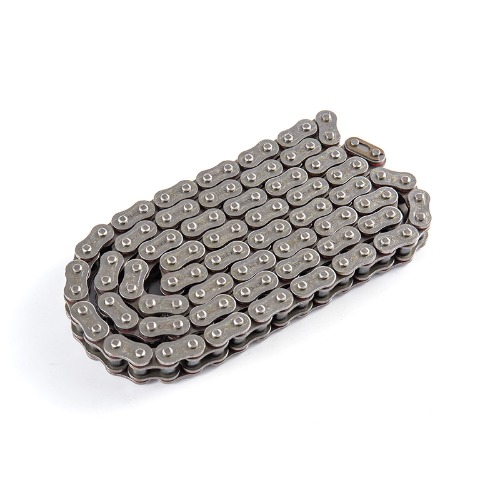
Which Riding Conditions Put More Stress on Motorcycle Drive Chains
The same motorcycle can place very different demands on its chain depending on where and how it is ridden.
City riding, for example, involves repeated acceleration and braking. The chain is continually responding to changes in load. Riding on unpaved roads introduces another concern because loose particles can reach the drive components.
Water changes the situation again. After riding through wet conditions, moisture can remain around areas that need protection from corrosion. Mud can hold both water and road particles against the chain for longer periods.
Longer rides are not necessarily problematic on their own, but a chain used continuously in a dusty or wet environment may need different attention from one used mainly on clean, dry roads.
| Riding environment | Possible effect on the drive chain |
|---|---|
| Stop-and-go traffic | Frequent changes in load |
| Wet roads | Moisture around exposed surfaces |
| Dusty roads | Fine particles collecting around moving parts |
| Muddy roads | Dirt and moisture remaining on the chain |
| Uneven terrain | Greater movement from the rear suspension |
| Extended storage | Surface corrosion or loss of protective lubrication |
The riding environment also influences how quickly contamination accumulates. A chain that looks clean after a short dry ride may require more attention after traveling through mud or loose road material.
How Are Cleaning and Lubrication Linked to Chain Wear
Cleaning and lubrication are sometimes treated as routine tasks rather than part of chain condition. In practice, they influence how freely the moving parts can operate.
Road dust can mix with lubricant and remain around the chain. Water and mud can create another type of buildup. If contamination stays in place, the links may gradually become less flexible.
Lubrication has its own role. Moving surfaces need suitable lubrication, but adding more lubricant does not necessarily solve a contamination problem. If dirt has already accumulated, applying additional lubricant over it can leave the chain carrying a mixture of lubricant and particles.
The condition of the chain should guide the maintenance process. A chain exposed to wet or dusty roads may need attention sooner than one used under cleaner conditions.
During routine checks, it is worth looking for:
- Dirt concentrated around the links
- Surface corrosion
- Links that feel less flexible
- Lubricant mixed with visible road particles
- Changes in movement after cleaning
Cleaning should leave the moving parts free from excessive contamination without damaging the surfaces around them. Once the chain is clean and suitably dry, lubrication can be applied according to the requirements of the particular drive system.
When Does Drive Chain for Motorcycle Wear Require Replacement
A worn chain does not always need to be replaced simply because it has changed appearance. Surface discoloration or a small amount of visible wear can have a different meaning from restricted links, persistent uneven tension, or significant changes in the way the chain engages with the sprockets.
The more useful question is whether the chain still moves consistently and maintains a suitable relationship with the sprockets.
For example, if one section remains noticeably tighter than another after adjustment, further inspection is warranted. The same applies when individual links resist movement or when the chain continues to behave irregularly despite attention to alignment and lubrication.
The sprockets should be inspected at the same time. Their condition can help determine whether the problem is limited to the chain or involves the wider drive arrangement.
Some conditions that deserve closer attention include:
- Uneven movement that remains after adjustment
- Links that remain stiff after cleaning
- Noticeable wear on several connected components
- Irregular engagement with the sprocket teeth
- Persistent changes in tension around the wheel
A Drive Chain for Motorcycle operates as part of a connected system rather than as an isolated component. Its condition is affected by the sprockets, adjustment, alignment, riding environment, and maintenance. When these factors are considered together, uneven wear becomes easier to trace and the appropriate maintenance decision becomes clearer.





Copyright © Jiangshan Wangpai Chain Industry Co., Ltd. All Rights
Reserved
 Motorcycle Chain Manufacturer